









Best Jobsite Power Solution for Construction Sites in the US (2026 Guide)
For US contractors, a reliable jobsite power solution is no longer just about bringing a generator to the site. Construction teams now need power that is stable, portable, safe to deploy, and compatible with common US electrical standards. From renovation projects and mobile maintenance work to temporary outdoor operations, the right power source can directly affect tool performance, worker efficiency, and project downtime.
In 2026, many contractors are comparing traditional diesel generators with industrial battery power stations. Diesel generators are still useful for long continuous runtime, but they also bring noise, exhaust, fuel handling, and maintenance problems. For many short-to-medium duration tasks, a battery-based industrial power station can be a cleaner and faster jobsite power option.
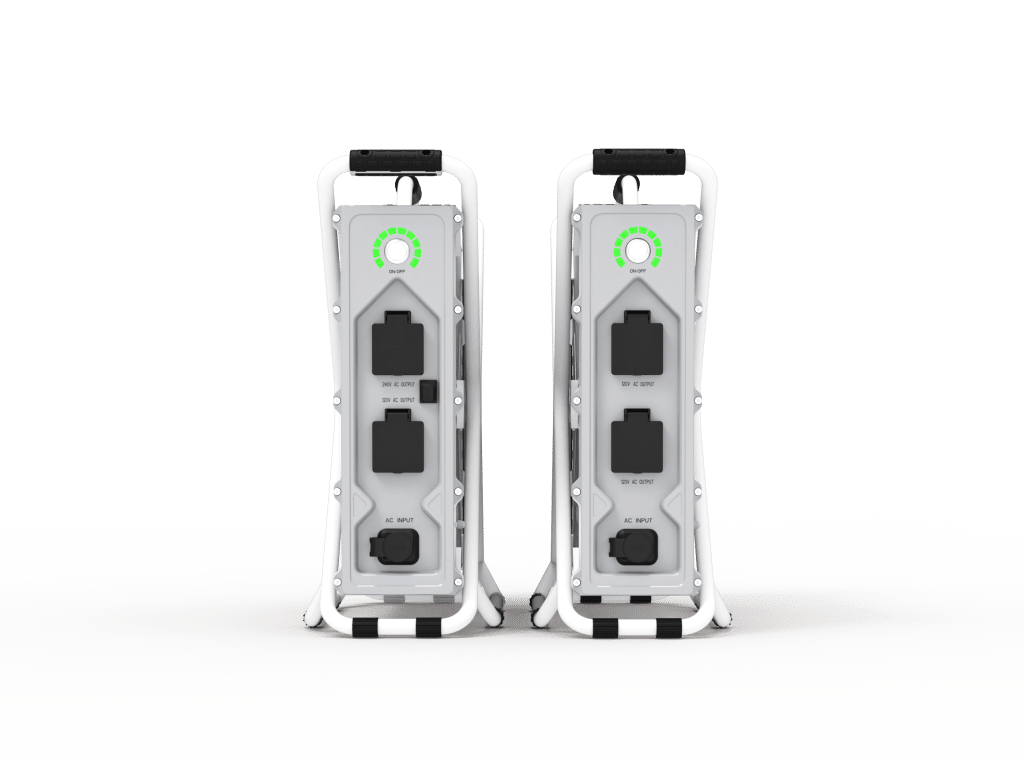
This guide explains the main pain points of construction site power, why diesel generators are not always the best answer, and how the FPG3600-US 3600W portable power station fits US jobsite applications.


What Power Problems Do Construction Sites Face?
Construction sites often have unstable power conditions. At the beginning of a project, grid power may not be ready. During renovation work, contractors may not have enough accessible outlets near the working area. For outdoor maintenance, municipal repair, landscaping, and mobile service teams, the work location may change several times in one day.
The most common jobsite power problems include:
- No grid power available during early-stage construction
- Long extension cable runs that reduce efficiency and increase site clutter
- High-startup tools that need strong surge power
- Noise restrictions in urban, residential, or nighttime work areas
- Exhaust concerns in indoor or semi-enclosed spaces
- Fuel storage, refueling, and generator maintenance work
Because of these problems, contractors need more than a basic backup battery. A professional jobsite power solution should provide stable AC output, enough rated power, strong peak power, practical mobility, and US-standard electrical compatibility.
Why Diesel Generators Are Not Always Ideal
Diesel and gasoline generators have been used on construction sites for many years. They are strong options for long-duration, fuel-supported operation. However, they can be inconvenient for many modern jobsite tasks.
First, diesel generators create noise. This can be a problem for indoor renovation, urban repair, residential construction, nighttime maintenance, and sites where communication is important. Second, fuel generators produce exhaust. The US Environmental Protection Agency notes that exposure to diesel exhaust can contribute to serious health conditions such as asthma, respiratory illness, and worsening heart or lung disease. For enclosed or poorly ventilated spaces, this is a major concern.
Third, generators require daily maintenance and fuel management. Contractors must think about refueling, oil changes, spark plugs, storage, transport, and engine servicing. For small mobile teams, this can create unnecessary downtime.
For a deeper comparison, you can read Portable Power Stations vs Traditional Generators and Fuel Generators vs Battery Power: Which Is Easier to Maintain?.
Why Battery Power Stations Are Becoming Practical for Jobsites
Industrial battery power stations are different from small consumer backup batteries. A professional power station is designed to run tools, chargers, lights, testing equipment, and mobile work devices with stable AC output.
For construction sites, the main advantages are clear:
- Low-noise operation: useful for urban, residential, and indoor work
- No direct exhaust during operation: better for enclosed or semi-enclosed environments
- Fast deployment: charge, move, plug in, and work
- Lower maintenance: no oil change, spark plug replacement, or fuel mixing
- Stable output: pure sine wave power supports many tools and chargers
- Flexible mobility: power can move with the team instead of staying in one place
This does not mean a battery power station replaces every diesel generator. For very long continuous high-load jobs, fuel generators can still be useful. But for drilling, cutting, charging, lighting, repair work, inspection, and mobile construction tasks, battery power can often be more convenient.
You can also compare related options in Best Temporary Power Solutions for Construction Sites in 2026.
US Jobsite Compatibility: Why 120V / 60Hz and NEMA Matter
For the US market, compliance and compatibility are especially important. A power station for US construction sites should not only have enough wattage. It should also match the voltage, frequency, and outlet expectations of local users.
The FPG3600-US is designed for US jobsite applications with 120V AC output, 60Hz pure sine wave power, and NEMA outlet compatibility. This makes it more suitable for common North American tools, battery chargers, lighting systems, and temporary jobsite devices.
The system supports NEMA 5-20 output up to 2400W and NEMA L5-30 output up to 3600W. For contractors and distributors, this matters because outlet compatibility can reduce adapter issues and make the product easier to use in real field conditions.
Electrical safety should still follow local jobsite rules. OSHA explains that GFCIs help shut off power quickly when a ground fault is detected, reducing electric shock risk. Contractors should always use proper cables, protection devices, grounding practices, and site safety procedures according to their working environment.
FPG3600-US: A Practical Battery Power Solution for US Jobsites
The FPG3600-US is built for contractors, maintenance crews, rental users, and mobile work teams that need portable industrial power. It provides 3600W rated output power, 2304Wh battery capacity, and up to 20000W peak power for short startup surges.
| Specification | FPG3600-US | Why It Matters |
|---|---|---|
| Rated Output | 3600W | Supports many professional tools, chargers, and jobsite devices. |
| Peak Power | Up to 20000W | Helps handle startup surges from high-inrush tools. |
| Capacity | 2304Wh | Provides practical runtime for mobile work and temporary tasks. |
| Output Standard | 120V / 60Hz | Designed for US jobsite tool and charger compatibility. |
| Outlets | NEMA 5-20 / NEMA L5-30 | Matches common US jobsite connection needs. |
For real jobsite applications, this type of configuration can support many common tasks, including tool charging, drilling, cutting, lighting, repair work, temporary power points, and selected high-power equipment within the rated load range.
To view available models and product options, visit the FULLAS Power Station product page.
Where FPG3600-US Fits Best
The FPG3600-US is especially useful in situations where contractors need power without the noise, exhaust, and maintenance burden of a small fuel generator. Typical applications include:
- Indoor renovation and remodeling work
- Urban repair and municipal maintenance
- Mobile contractor vans and service trucks
- Temporary lighting and tool charging
- Outdoor maintenance and repair work
- Rental fleets that need portable battery generator options
For contractors who want a broader planning guide, see Mobile Power for Contractors: A Practical Guide to Jobsite Power Solutions.
How to Choose the Best Jobsite Power Solution
Before choosing any power system, contractors should calculate the real load. List the tools that may run at the same time, check their rated wattage, and allow extra headroom for startup surge. Then confirm voltage, frequency, plug type, safety protection, portability, and working environment.
A good jobsite power solution should answer five questions:
- Can it support the tool’s running power?
- Can it handle startup surge?
- Does it match US voltage, frequency, and outlet needs?
- Is it practical to move around the site?
- Does it reduce noise, exhaust, and daily maintenance?
If the answer is yes, a battery-powered industrial power station can be a strong alternative to a small diesel or gasoline generator for many jobsite tasks.
Conclusion
The best jobsite power solution for construction sites in the US should be powerful, portable, safe to deploy, and compatible with local electrical standards. Diesel generators still have a place in long continuous operation, but they are not always ideal for mobile, indoor, urban, or short-to-medium duration work.
With 120V / 60Hz pure sine wave output, NEMA outlet compatibility, 3600W rated power, 2304Wh capacity, and up to 20000W peak power, the FPG3600-US provides a practical battery-powered option for contractors who need reliable jobsite power without fuel noise and exhaust.
For contractors, distributors, rental companies, and project buyers, the FPG3600-US is a strong choice for modern US jobsite applications.
Explore FULLAS Industrial Power Station Solutions
FAQs
What is the best jobsite power solution for construction sites in the US?
The best solution depends on runtime, tool load, location, and safety needs. For mobile, quiet, and short-to-medium duration work, an industrial battery power station like FPG3600-US can be a practical option.
Can FPG3600-US replace a diesel generator?
It can replace or reduce generator use in many mobile and temporary applications. For long continuous heavy-load operation, fuel generators may still be needed.
Why is 120V / 60Hz important for US jobsites?
Many US tools and chargers are designed around 120V and 60Hz power. Matching this standard helps improve compatibility and reduces the need for adapters.
Is FPG3600-US suitable for indoor construction work?
Yes, for many indoor tasks within its rated load range. Because it is battery-powered, it produces no direct exhaust during operation and runs with lower noise than fuel generators.