


Portable Power Station Warranty: Repair Costs and Downtime for Contractors
A power station can be under warranty and still be unavailable for the next job. For a contractor, the buying question is how a fault gets resolved: who handles the claim, who pays the return costs, and what powers the crew while the unit is away.
Before placing an order, get those answers in writing. A useful portable power station warranty explains the coverage and the service process. Your own backup plan covers the working time that process may consume.
This guide focuses on construction crews, mobile service businesses, equipment rental companies and distributors buying portable battery power for work.
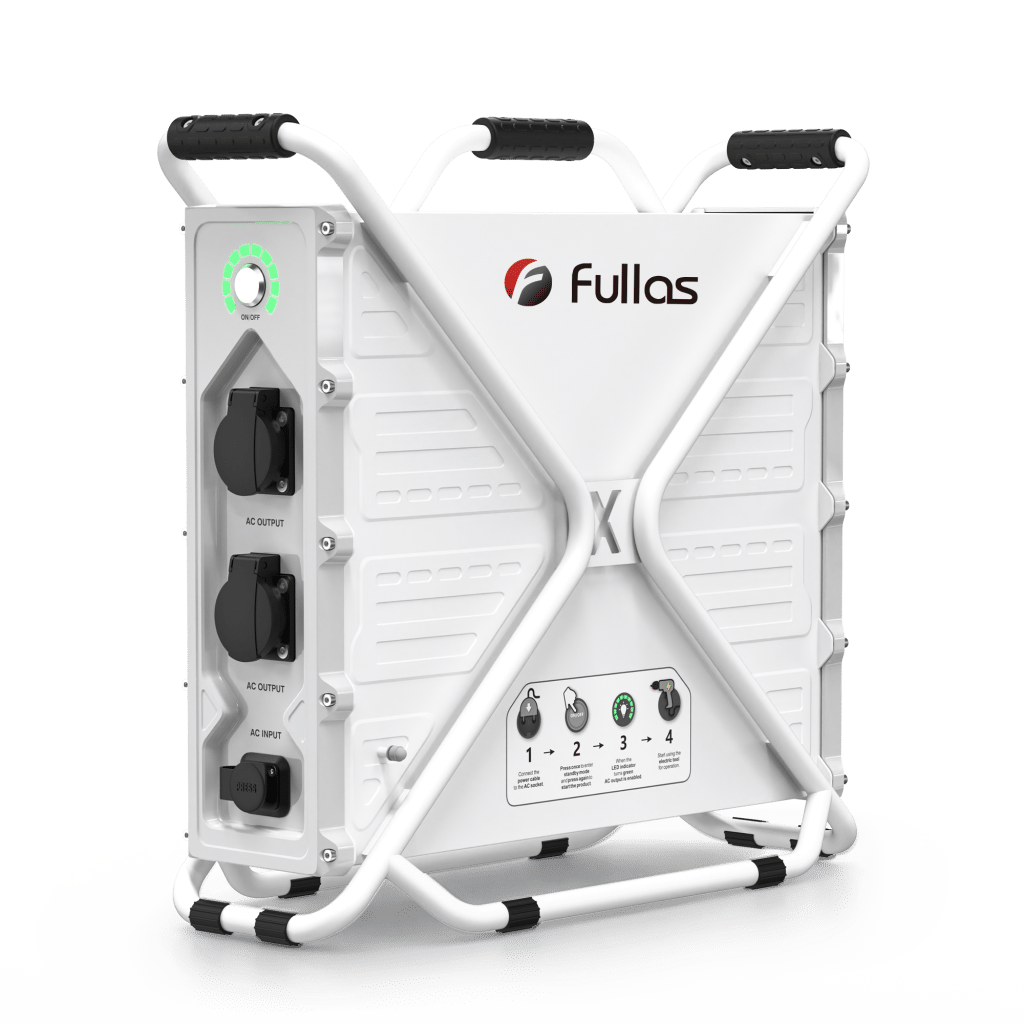


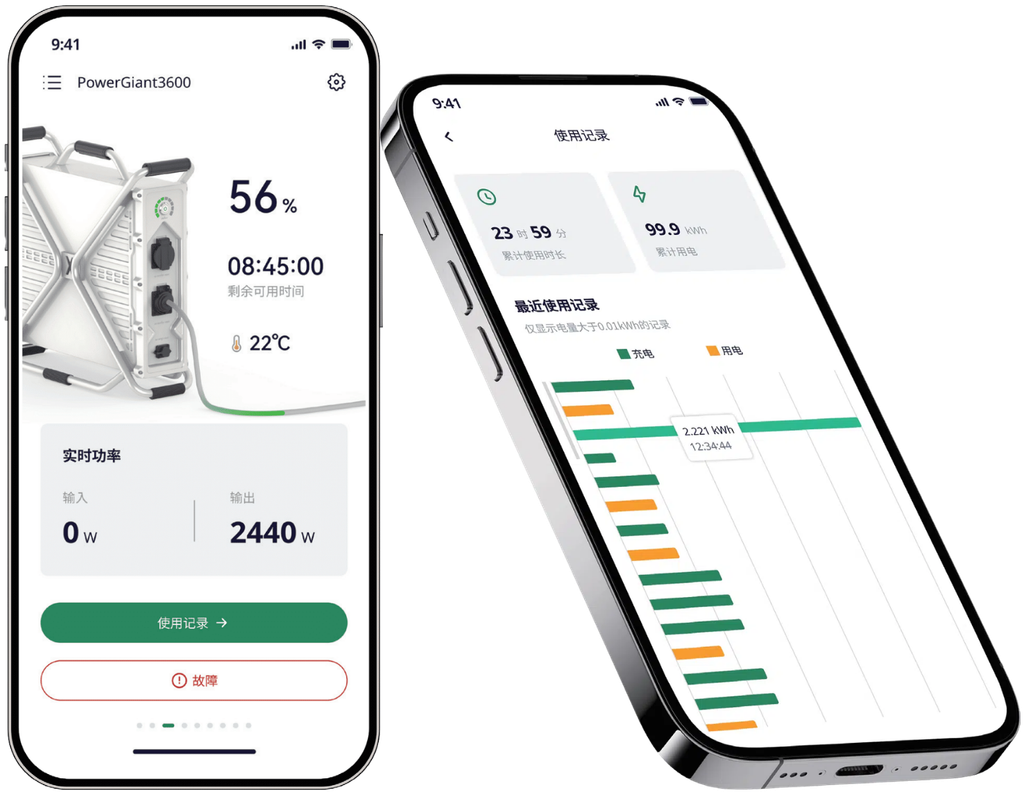
The FULLAS FPG3600 Industrial Portable Power Station delivers 3600W continuous output, 20,000W peak power, 2304Wh battery capacity, and IP54 protection, weighing just 24kg and providing reliable portable power for construction sites and demanding industrial applications.
Confirm coverage for the way you will use it
Start with the exact model, seller, country of purchase and country of use. Tell the supplier whether the unit will be used by your employees, hired out to customers or resold through a dealer. Ask for written confirmation of the applicable coverage.
Check which items the warranty covers: the battery, inverter, charging equipment and supplied accessories. Ask how a gradual reduction in battery capacity is treated compared with a fault that prevents normal operation. A cycle-life specification is not, by itself, a promise to repair or replace the battery.
Also confirm the start date, required purchase records and any registration conditions. If you buy stock for resale, ask when the end customer’s coverage starts and what documents connect that customer to the original order. Record the agreed terms with the purchase, rather than relying on a product-page screenshot alone.
For the electrical and application checks that come before purchase, use the FULLAS professional-use buying guide.
Separate repair coverage from return costs
An approved repair and the cost of getting a unit to the service location are separate questions. Confirm both directions of shipping, packaging and collection arrangements before you need them.
| Item to confirm | Question for the supplier |
|---|---|
| Diagnosis | Is initial remote assessment included? Is there an inspection fee if the claim is not covered? |
| Return transport | Who arranges collection and pays to send the unit to the approved location? |
| Packaging | Is suitable return packaging supplied, or must the buyer obtain it? |
| Repair decision | Who authorizes paid work, and what happens if the quotation is declined? |
| Return or replacement delivery | Who pays, and where will the equipment be delivered? |
| Cross-border service | Which service location accepts the order, and who handles any border-related costs or paperwork? |
These details can depend on location and claim approval. For example, a published US manufacturer warranty makes prepaid return shipping conditional on an approved claim and the customer’s location. Confirm the corresponding arrangements in your own supply agreement.
Get approval before arranging a battery return
Describe the fault accurately. A failed output does not, by itself, establish whether the battery is damaged. Ask the supplier for a return authorization, then confirm the accepted transport and packaging arrangements with the carrier.
UPS’s battery shipping guidance treats damaged, defective and recalled lithium batteries separately. Do not assume that the original box or a standard parcel label makes every faulty unit acceptable for shipment.
Do not keep operating or charging equipment that shows signs of damage or abnormal heating to produce a demonstration video. Follow the manufacturer’s safety instructions and report the condition before arranging transport.
Ask about the whole turnaround
A quick reply from support is helpful, but it does not tell you when the equipment will be available again. Ask the supplier to explain the stages:
- Initial assessment and any additional information required.
- Claim approval and collection authorization.
- Transport to the service location and inspection.
- Repair, replacement approval or a quotation for paid work.
- Delivery back to the agreed address.
Ask when each estimated period starts and whether it refers to working days or calendar days. Identify what depends on inspection, parts availability or transport. A target response time should not be mistaken for a guaranteed repair completion date.
If a replacement is offered, confirm whether it is new or refurbished, what accessories are included and what warranty applies afterward. For a fleet, also agree how serial-number changes will be recorded. These are contract questions, not assumptions to make from a long warranty period.
Prepare a service record that helps resolve the fault
Keep the serial number, invoice, delivery details and agreed warranty terms together. Add a clear description of what stopped working and when it happened. Published manufacturer policies commonly request purchase evidence and a problem assessment before service is arranged.
For jobsite equipment, a useful fault record includes:
- The connected tool or appliance and its nameplate details.
- The power station’s indication or error message.
- Whether the fault occurred during startup, normal operation or charging.
- The cable, outlet and accessories used.
- Relevant environmental conditions and any visible damage.
Photograph the label and visible indication if it is safe to do so. Avoid repeatedly reproducing a fault, opening the enclosure or attempting an unapproved repair just to strengthen a claim. Ask support which checks are appropriate for that model.
For rental equipment, record the condition and supplied accessories at dispatch and return. This helps distinguish a missing charger, a connection problem and a reported equipment fault before the next hire. The FULLAS rental procurement guide covers the wider fleet-selection decision.
Budget for keeping the job moving
Decide which tasks can move to another supply and which would stop completely. A spare unit, a local rental or a change in work sequence may be practical, but the alternative must support the actual tools and connections. Use the tool compatibility checklist before treating any spare as interchangeable.
Then put a price on the contingency. The example below is illustrative, not a repair quotation, a market-rate survey or a promised service time. It assumes a business chooses to rent a replacement for five working days.
| Assumed expense | Calculation | Example cost |
|---|---|---|
| Replacement rental | 5 days × $60 per day | $300 |
| Collection and delivery | Assumed local transport quote | $80 |
| Administration | 2 hours × $30 per hour | $60 |
| Total contingency cost | $300 + $80 + $60 | $440 |
That amount could arise even if an approved repair itself is covered. Replace every assumption with your own rental quote, transport cost and staff time. Add only costs you would actually incur; do not also count a full crew as idle for hours when the rental has restored normal work.
Ask separately whether the agreement provides a loan unit or any reimbursement for replacement hire or loss of use. Do not budget on receiving that reimbursement unless it is confirmed in the applicable terms.
What to confirm for a FULLAS FPG3600 order
If you are considering the FULLAS FPG3600 industrial portable power station for contracting, rental or distribution, include the service requirements in the quotation and supply contract. Confirm the exact model and market version alongside the intended tools and workload.

Agree on the warranty period, covered use, claim contact, service location and transport responsibility for that order. For dealer cooperation, discuss whether repair training, service materials, parts support or a backup-unit arrangement is available and included. Get any agreed arrangement documented before planning around it.
This keeps the equipment choice and the service plan connected. A suitable power rating answers one part of the purchase; a clear support process helps you plan what happens if the equipment is unavailable.
FAQ
How long is a portable power station warranty?
Use the terms for the exact model, sales channel, market and purchase. Confirm the start date and any conditions for business or rental use. For a FULLAS order, request the applicable period in the quotation and contract.
Who pays warranty return shipping?
Check the applicable agreement and claim authorization. Confirm collection, packaging, transport to the service location and delivery back. Do not assume that coverage of the repair includes every associated expense.
Does the warranty pay for jobsite downtime?
Do not assume it does. Ask whether loss of use, replacement hire or other business costs are covered, excluded or addressed by a separate service arrangement. Plan a usable backup without relying on an unconfirmed payment.
Should I keep the original packaging?
Keep it if practical and record its condition. Before returning equipment, obtain the current packing and carrier instructions. Original packaging alone does not establish that a damaged battery is suitable for an ordinary return shipment.
Planning a contractor purchase, rental fleet or distributor order? Send your market, quantity, intended loads and service requirements through the FULLAS FPG3600 inquiry page. Ask for the equipment configuration and order-specific warranty and support terms together.