









Industrial Power Station: Reliable Portable Power for Professional Worksites
When a project moves faster than the grid can keep up—new builds, remote repairs, temporary events, location shoots—portable power becomes part of your logistics plan. For B2B teams, the question isn’t whether you need power. It’s whether the unit you choose can run professional loads safely, consistently, and with the documentation procurement teams require.
This guide explains what an industrial power station is, how it differs from consumer models, and how professional buyers evaluate portable power for construction, film production, field service, emergency response, and distribution programs.
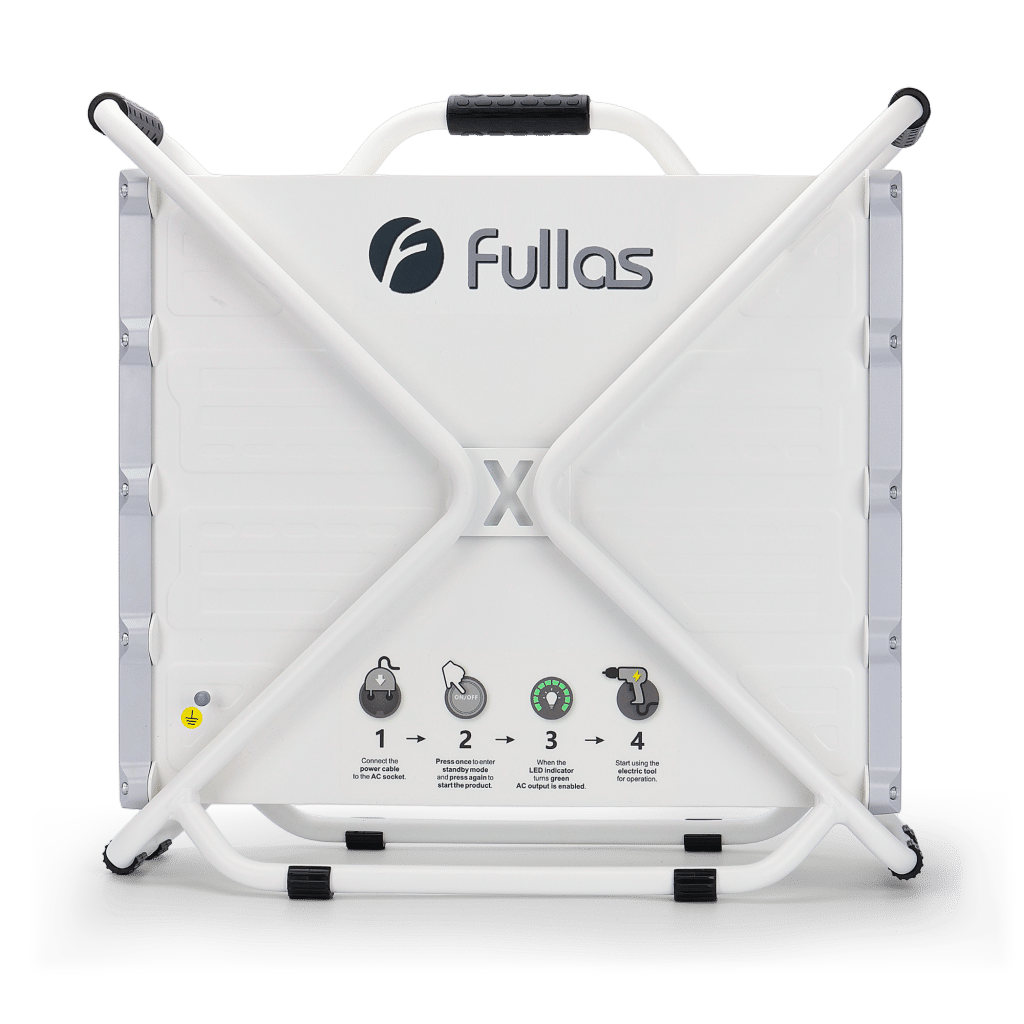
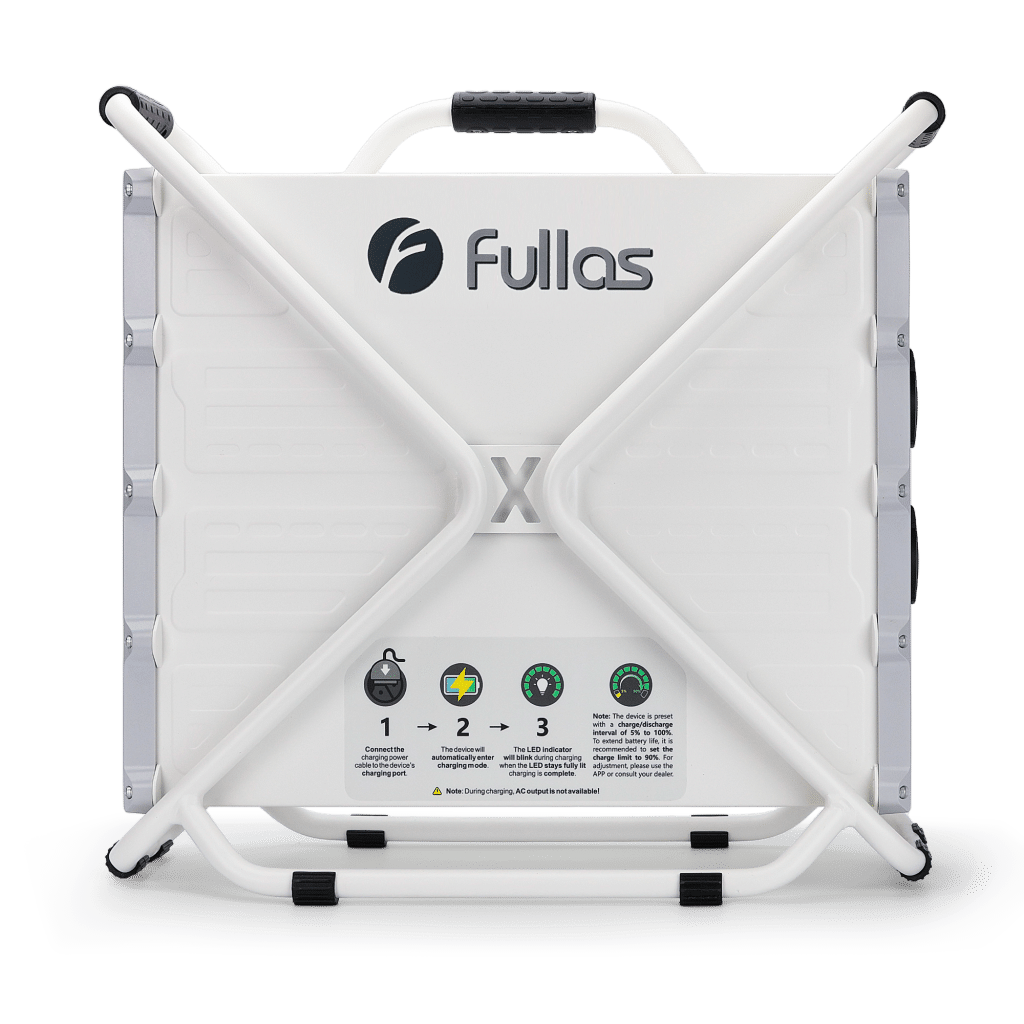
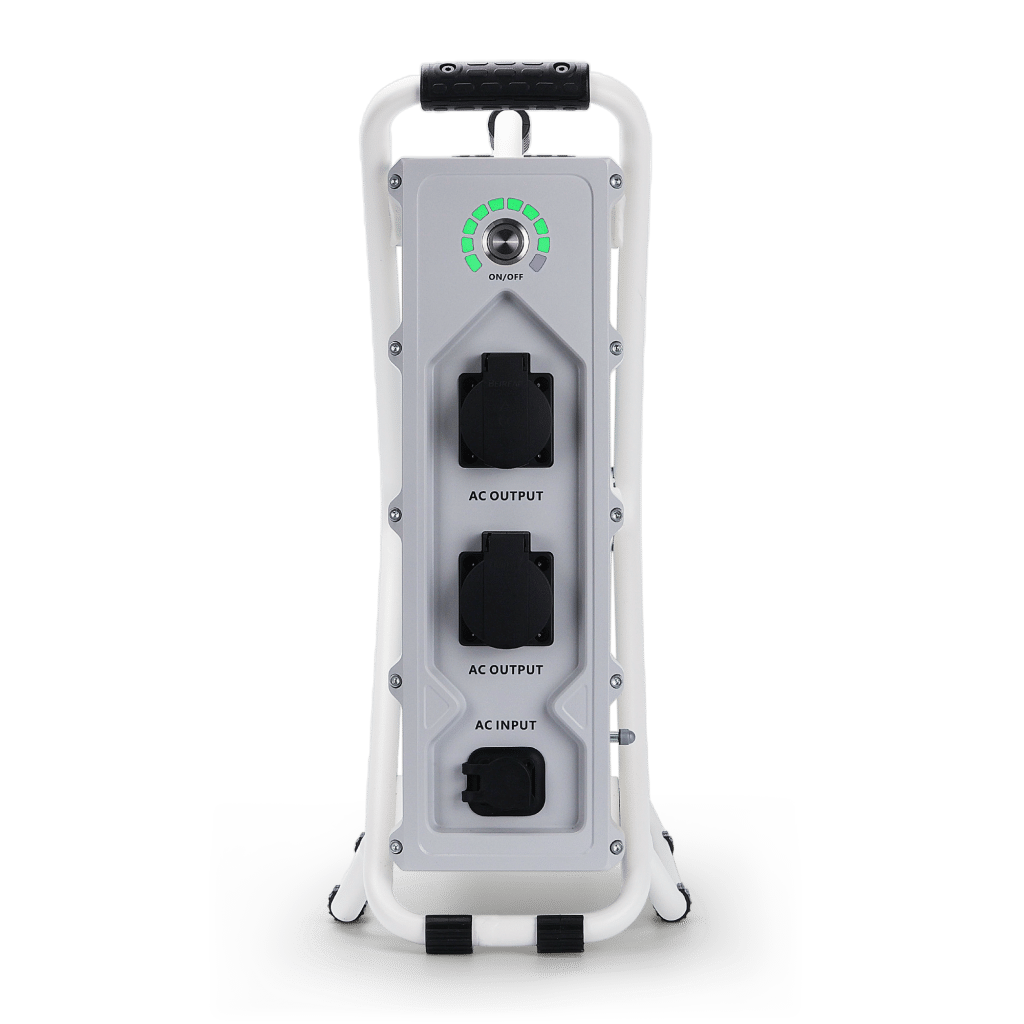
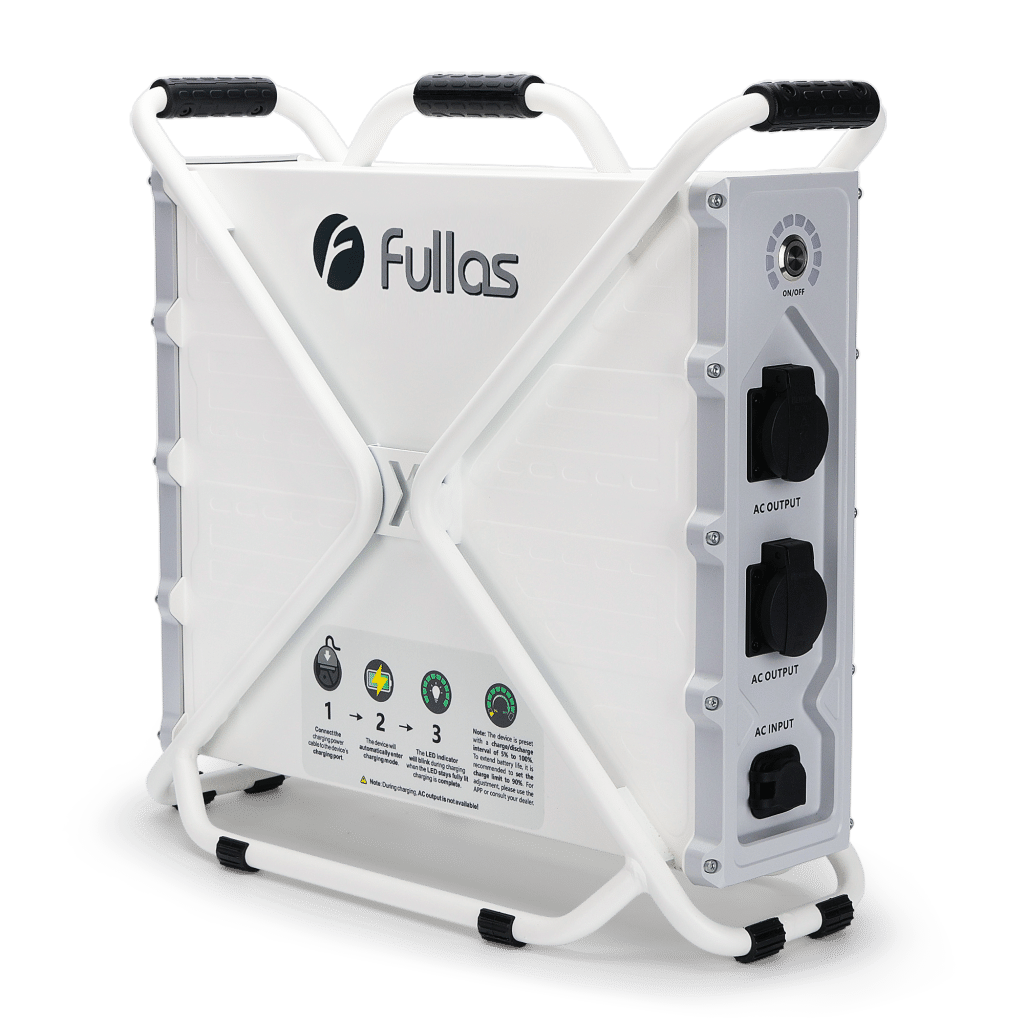
What Is an Industrial Power Station?
An industrial power station is a high-output, portable energy system designed to deliver stable AC power for professional equipment and worksite operations—typically using a large battery pack and inverter rather than a fuel engine.
In practical terms, an industrial model is built for:
- Higher continuous output (to run jobsite tools and multi-device setups)
- Stable power quality (often pure sine wave AC) for sensitive electronics
- Worksite durability (impact resistance, environmental protection, connectors that hold up to field use)
- Safety and compliance expectations that B2B buyers and distributors need to document
It’s not “a camping battery with a handle.” It’s closer to a portable, job-ready power subsystem—used where you need quiet, clean power, fast deployment, and predictable performance.
Why Professional Users Need More Than a Consumer Power Station
Consumer portable power stations are great for light loads: charging devices, running small appliances, or occasional backup. Professional worksite needs are different.
Here’s what typically separates an industrial power station buying decision from a consumer purchase:
- Output that matches real tools (not just chargers). Professional teams often run lights, pumps, power tools, or multiple devices at once. Rated (continuous) power is usually the first spec that matters.
- Better handling of peak loads. Motors, compressors, and some production equipment can draw high start-up current. Peak/surge capability matters, but you still need continuous power sized for the real load.
- Stable AC waveform for sensitive gear. Film equipment, monitors, chargers, comms, and measurement devices benefit from clean output. Many industrial buyers prioritize pure sine wave AC.
- Procurement-friendly documentation. Certifications, test reports, transport documentation, and clear model identification reduce friction for distributors and compliance teams.
- Durability and service planning. For fleets and rental companies, “easy to deploy” also means manageable maintenance, spare parts availability, and consistent configuration across batches.
Pro Tip: In RFQs, ask suppliers to clarify rated output vs peak output, and which loads the unit is designed to support continuously. It prevents costly mismatches during deployment.
Key Applications of Industrial Power Stations
Industrial power stations earn their place when the cost of downtime, noise, or logistics complexity is higher than the cost of the equipment.
Construction Sites and Contractors
On construction sites, temporary power often becomes a daily bottleneck: crews move, site conditions change, and running cables everywhere isn’t always possible.
Industrial power stations are commonly used as a portable power station for construction sites when teams need:
- Mobile power for tools in areas not yet wired
- Temporary lighting and charging hubs
- Supporting inspection equipment and small site office needs
- Backup power during short outages or scheduled shutoffs
What to look for: continuous wattage that matches your tool plan, ruggedness, and a form factor that fits transport and staging.
Film Sets and Outdoor Production
Film and outdoor production crews care about two things that traditional generators struggle with: noise and clean, stable power.
A portable power station can support common production loads such as cameras, LED panel lights, monitors, wireless transmitters, audio recorders, and laptops—especially when you size the system based on total load and expected runtime.
If your shoots include dialogue, interviews, or natural sound capture, quieter power isn’t a “nice-to-have.” It reduces retakes and keeps set operations smooth.
What to look for: stable AC output, sufficient rated power headroom, and a practical plan for recharging between takes, scene changes, or overnight.
Maintenance, Repair and Field Service
Field service teams—facility maintenance, utilities, remote repair—need power that’s fast to deploy and predictable.
Industrial power stations can support:
- Diagnostic tools and test equipment
- Battery charging for handheld tools
- Temporary power for control systems or instrumentation
- Remote workstations in areas without convenient outlets
What to look for: portability, reliable output, and charging options that match how your teams travel and operate.
Emergency Backup and Temporary Power
Emergency services and industrial users often need power in short windows: during storms, outages, or temporary operations.
Battery-based units can be deployed as an industrial backup power station for:
- Temporary communications and command equipment
- Charging and staging essential devices
- Keeping critical, lower-draw loads running while bigger power is restored
They can be useful because they are:
- Fuel-free (less fuel handling during stressful events)
- Clean (no exhaust concerns in semi-enclosed areas)
- Quick to deploy (move it where it’s needed)
What to look for: safety certifications, predictable runtime planning, and a clear plan for replenishing energy (charging power and available infrastructure).
Industrial Power Station vs Traditional Fuel Generator
A balanced way to compare these options is to start from your constraints: noise, ventilation, runtime, and load type. Many buyers begin with the simple question of portable power station vs generator—and the right answer depends on the job, not the marketing.
Industrial power stations (battery-based) are often a better fit when you need:
- Low-noise operation for occupied sites or production environments
- No exhaust emissions (useful for indoor, semi-enclosed, or urban locations)
- Lower day-to-day maintenance compared with engine-based equipment
- Clean, stable power for sensitive electronics
Fuel generators are often a better fit when you need:
- Long runtime with quick refueling
- Higher continuous power for heavier loads across a full shift
- A simple “keep it running” setup in remote locations where charging is difficult
The practical answer for many professional teams is not “one or the other,” but using each where it makes sense—for example, a generator for heavy continuous loads and a battery power station for quiet zones, sensitive equipment, or indoor tasks.
⚠️ Warning: Battery power stations are limited by capacity and recharge logistics. If your load is continuous and high-draw for many hours, plan energy replenishment (or use a generator) instead of assuming a battery unit will cover a full shift.
Key Certifications to Check Before Buying
Certifications don’t replace engineering judgment, but they do reduce procurement risk—especially for distributors, rental fleets, and projects with compliance requirements.
Here are four common certifications and what they generally indicate:
- UL: Commonly used as a product safety certification/listing for the U.S. market.
- FCC: Indicates compliance with U.S. requirements related to electromagnetic interference for electronic devices.
- CE: The EU conformity mark (typically tied to safety and electromagnetic compatibility requirements for products sold in the EU).
- UN38.3: Lithium battery transport testing that supports safer, compliant shipping. For background, Intertek provides a clear overview of UN38.3 lithium battery transport testing.
For B2B buyers, a simple best practice is to request:
- Certificates and test reports (not just logos)
- The exact model number and configuration covered
- Clear documentation for shipping lithium batteries internationally
FULLAS FPG3600: Industrial Portable Power Station for B2B Buyers
FULLAS offers the FPG3600 industrial portable power station for professional worksite use, including contractors, construction sites, film crews, maintenance teams, emergency backup, and temporary power needs.
A few procurement-relevant highlights:
- 3600W continuous output (rated)
- Up to 20000W peak power (to handle demanding start-up loads)
- 2304Wh (2.3kWh) capacity
- Pure sine wave AC output
- Max input power 1200W with a published fast-charge claim of 2.5 hours
- IP54 protection rating
For distributors, contractors, and rental buyers, the key is fit: match output and runtime to your real load plan, and confirm documentation, support, and commercial terms before rollout.
Related FPG3600 Resources
If you’re comparing configurations or building an internal buying file, these resources are useful next reads:
- 3600W industrial power solution details — a deeper look at the PG3600/FPG3600 positioning, capacity approach, and professional use cases.
- Portable power station for film sets — practical guidance for production teams on sizing, load planning, and why quiet power matters on set.
B2B Buyer Checklist Before Requesting a Quote
Before you send an RFQ (or approve a supplier for distribution), use this checklist to avoid the most common spec and support gaps.
- Output power (rated vs peak)
- Rated continuous watts for your actual load plan
- Peak/surge watts and what loads it’s intended to cover
- Battery capacity and runtime planning
- Capacity in Wh/kWh
- Typical runtime examples for your specific devices
- Any expansion options (parallel/stacking) if you need longer shifts
- Electrical quality and compatibility
- Pure sine wave AC (if running sensitive electronics)
- Voltage/frequency variants for your target markets
- Certifications and compliance
- Confirm documents for UL, FCC, CE, UN38.3 as required for your sales regions
- Ask which configuration and model numbers the certificates cover
- Charging options and charging power
- AC charging input range and max input power
- Charging time under realistic conditions
- Vehicle or on-site charging options (if relevant)
- Durability and jobsite readiness
- IP rating, enclosure strength, connector protection
- Operating temperature range expectations for your environments
- After-sales support
- Spare parts availability and lead time
- Service documentation (manuals, troubleshooting guides)
- Support response time across time zones
- Warranty and commercial terms
- Warranty length and claim process
- Exclusions (consumables, misuse, battery degradation expectations)
- MOQ and lead time
- Minimum order quantity per configuration
- Production lead time and delivery commitments
- OEM/ODM and distributor cooperation
- Branding and packaging customization options
- Electrical configuration options for different markets
- Support for private label programs (artwork, cartons, manuals)
Final Thoughts
An Industrial Power Station is ultimately a tool for reducing friction on professional projects: fewer delays from missing outlets, fewer compromises on noise and exhaust, and a cleaner power option for electronics and worksite operations.
If you’re evaluating industrial portable power for distribution, fleet/rental deployment, or professional projects, FULLAS can support industrial power station solutions, OEM/ODM cooperation, and distributor pricing.
Contact FULLAS to discuss your load requirements, target markets, and commercial terms—and to request a quote for the FPG3600 industrial power station.