









What Is a Tri Fuel Inverter Generator and How Does It Work?
A tri fuel inverter generator is a generator that can operate using three different fuel sources: gasoline, LPG (liquefied petroleum gas), and NG (natural gas), while using inverter technology to provide stable electrical output.
In simple terms, “tri fuel” describes the fuel options, while “inverter” describes how the electricity is controlled.
For users, the main advantage is flexibility. Instead of depending on one fuel source, you can choose gasoline, LPG or natural gas according to local fuel availability, operating conditions and application requirements.


What Does Gasoline / LPG / NG Mean?
The three fuel options serve different practical needs.
| Fuel | What It Is | Typical Use |
|---|---|---|
| Gasoline | Conventional liquid gasoline | Mobile work, outdoor use, temporary backup |
| LPG | Liquefied petroleum gas, normally supplied from a cylinder | Backup power, RVs, outdoor and residential applications |
| NG | Natural gas supplied through an external gas source | Home backup, fixed-location and longer-term applications |
A tri fuel generator does not normally use all three fuels at the same time. Instead, the operator selects an available fuel source according to the generator’s fuel system and operating instructions.
This is the key difference from a gasoline-only generator.
How Does a Tri Fuel Inverter Generator Work?
A tri fuel inverter generator combines two systems:
1. Multi-Fuel Engine System
The engine is designed to operate with:
- Gasoline
- LPG
- Natural gas
Depending on the selected fuel, the appropriate fuel supply is delivered to the engine for combustion.
2. Inverter Power System
After the engine drives the alternator to generate electricity, the inverter system regulates the electrical output.
The basic process is:
Engine → Alternator → AC → DC → Regulated AC Output
This allows the generator to provide more controlled electrical output than a basic conventional generator.
For example, Fullas tri fuel inverter generators are specified with THD ≤3%, making them suitable for many applications where stable power quality is important.
Tri Fuel vs Dual Fuel Inverter Generator
The difference is straightforward:
| Generator Type | Fuel Options |
| Gasoline Generator | Gasoline |
| Dual Fuel Inverter Generator | Gasoline + LPG |
| Tri Fuel Inverter Generator | Gasoline + LPG + Natural Gas |
A dual fuel generator already provides more flexibility than a gasoline-only model, while a tri fuel model adds natural gas as a third option.
If you want to understand dual-fuel technology first, read our guide:
What Is a Dual Fuel Inverter Generator?
Why Choose a Tri Fuel Inverter Generator?
The biggest advantage is not simply having “three fuels.” It is having more choices when the generator is actually needed.
Greater Fuel Flexibility
Fuel availability varies between countries and applications.
Gasoline may be convenient for mobile jobs, LPG cylinders may be widely available in some markets, while natural gas can be practical for locations with an existing gas supply.
A tri fuel generator allows one generator platform to adapt to these different situations.
Better for Backup Power
During an outage or emergency, depending on only one fuel source can be limiting.
With gasoline, LPG and natural gas compatibility, users have more options for maintaining backup power when one fuel is difficult to obtain.
Suitable for Different Markets
Tri fuel capability is also valuable for distributors and OEM buyers.
Different countries have different fuel infrastructures and customer preferences, so one multi-fuel generator platform can cover a wider range of end-user requirements.
Fullas Tri Fuel Inverter Generators
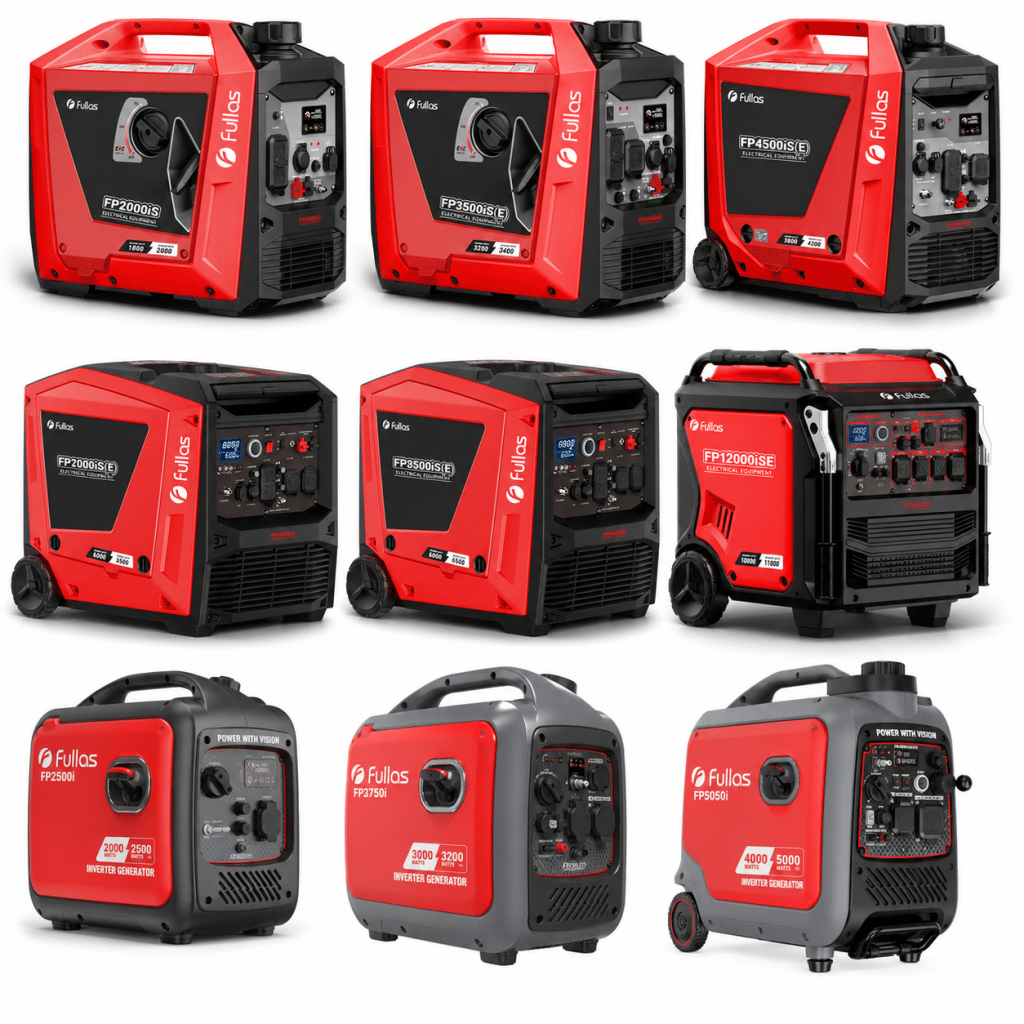
Fullas currently offers three higher-output inverter generator models supporting Gasoline / LPG / NG.
| Model | Fuel Type | Rated Output | Max Output | THD |
| FP7000iS(E) | Gasoline / LPG / NG | 6000W | 6500W | ≤3% |
| FP8500iS(E) | Gasoline / LPG / NG | 7200W | 7600W | ≤3% |
| FP12000iSE | Gasoline / LPG / NG | 10000W | 11000W | ≤3% |
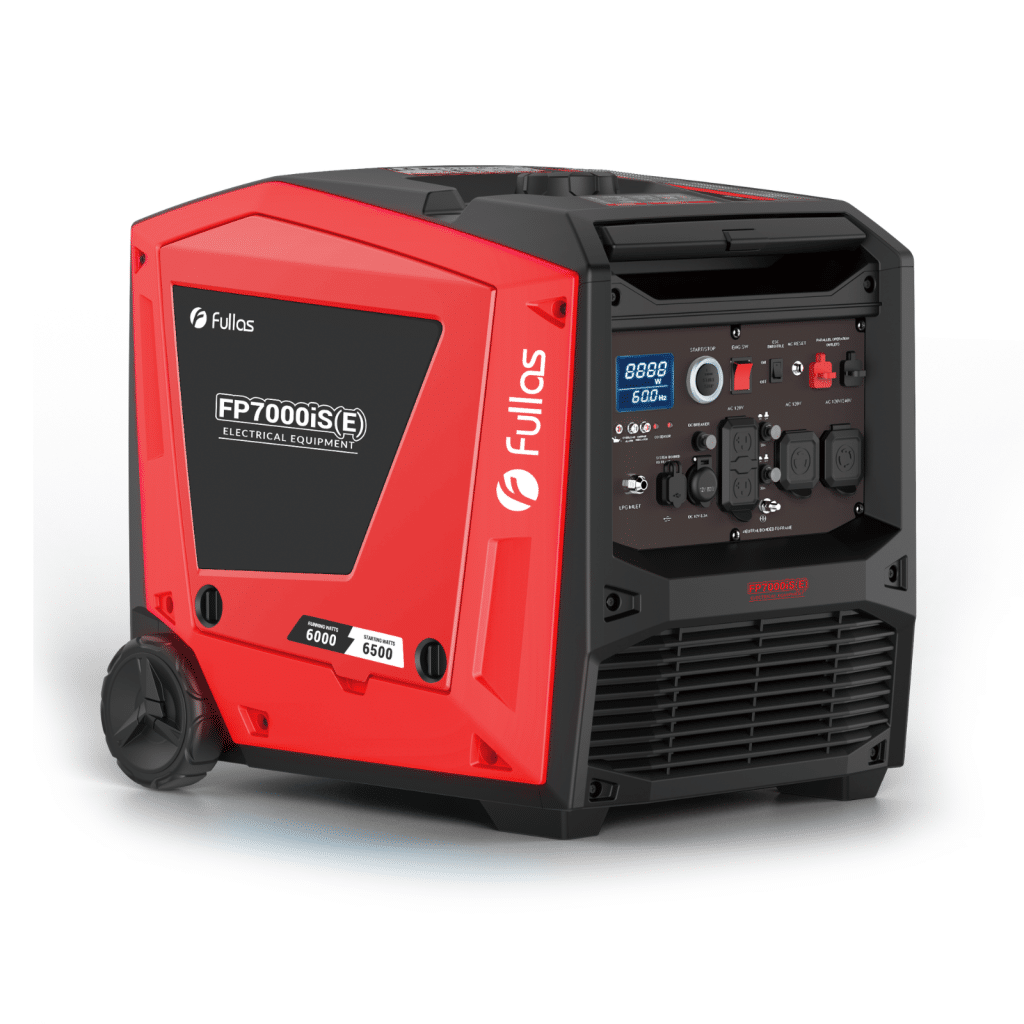
FP7000iS(E)
The FP7000iS(E) Tri Fuel Inverter Generator provides 6000W rated output and 6500W maximum output.
It is a practical option for users who need three-fuel flexibility without moving into the highest output range.
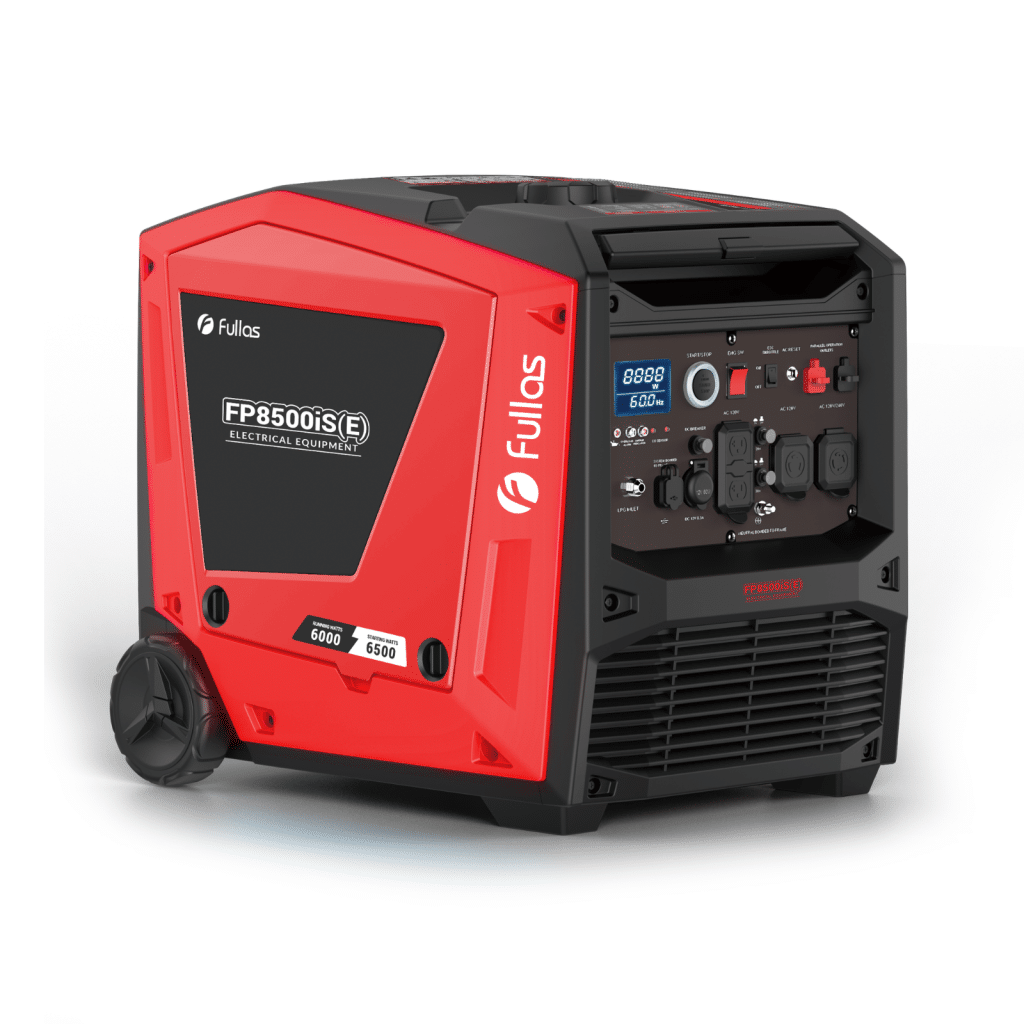
FP8500iS(E)
The FP8500iS(E) Tri Fuel Inverter Generator increases rated output to 7200W, with a maximum output of 7600W.
It is suitable for applications requiring more continuous power while retaining gasoline, LPG and natural gas compatibility.
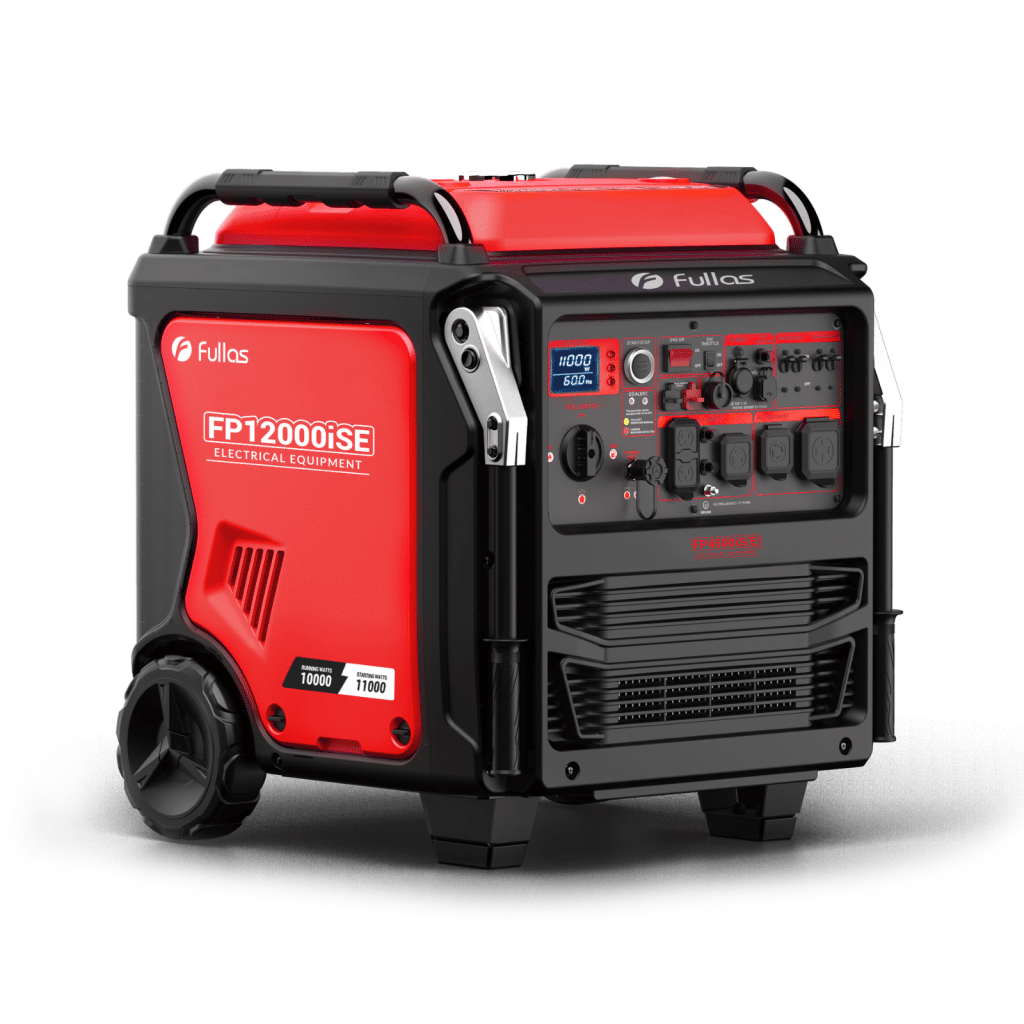
FP12000iSE
For higher power requirements, the FP12000iSE Tri Fuel Inverter Generator provides 10000W rated output and 11000W maximum output.
It also supports single-phase and three-phase configurations, making it suitable for more demanding residential, commercial and professional applications.
Which Fuel Should You Use?
There is no single best fuel for every user.
Choose according to your application:
- Gasoline: convenient when mobility and easy refueling are priorities.
- LPG: useful when bottled gas is readily available.
- Natural Gas: suitable when a compatible fixed natural gas supply is available.
Actual generator output and runtime may vary depending on the fuel being used, connected load and operating conditions. Always check the specifications and operating instructions for the specific model.
FAQ
What is a tri fuel inverter generator?
A tri fuel inverter generator can operate on gasoline, LPG and natural gas while using inverter technology to regulate electrical output.
Does a tri fuel generator use all three fuels at once?
Normally, no. The generator operates using one selected fuel source at a time according to its fuel system and operating instructions.
What is the difference between dual fuel and tri fuel?
A dual fuel generator typically supports gasoline and LPG, while a tri fuel generator adds natural gas as a third fuel option.
Is a tri fuel inverter generator suitable for home backup?
Yes, provided the generator’s rated output, voltage, frequency and connection method match the electrical loads being powered.
Does a tri fuel generator produce the same power on every fuel?
Not necessarily. Generator output can vary between gasoline, LPG and natural gas. Buyers should check the rated and maximum output specifications for each fuel configuration.
Final Thoughts
A tri fuel inverter generator combines Gasoline + LPG + Natural Gas compatibility with inverter-controlled electrical output.
Its real value is flexibility: users are not limited to a single fuel source and can select the most practical option for home backup, outdoor work, commercial applications or emergency power.
For buyers who need higher-output multi-fuel power, Fullas currently offers the FP7000iS(E), FP8500iS(E) and FP12000iSE, covering rated outputs from 6000W to 10000W.