









Why Global Buyers Source from China Engine Factories for Power Equipment?
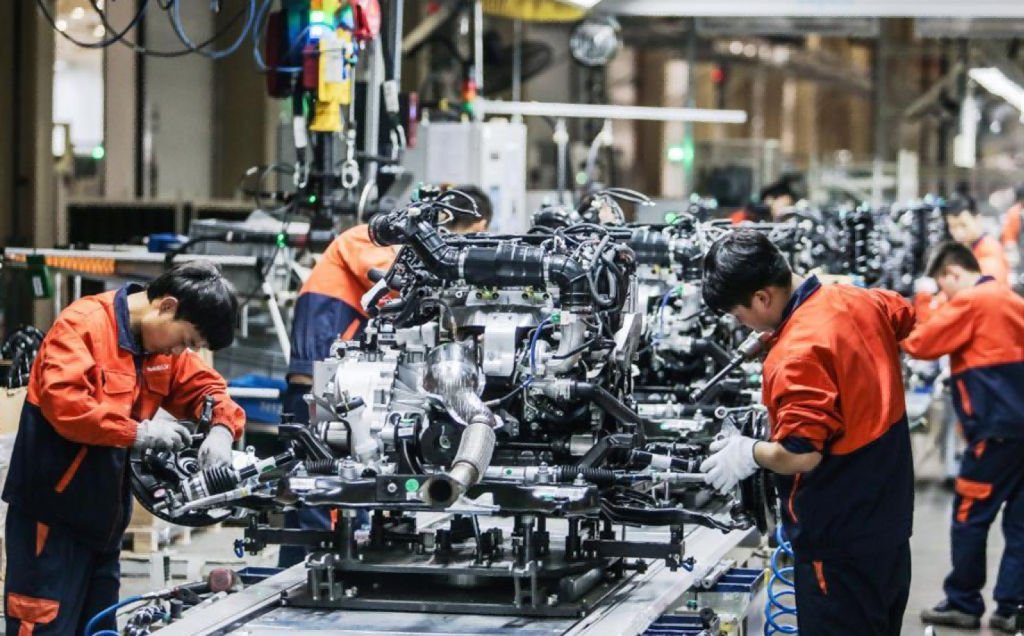
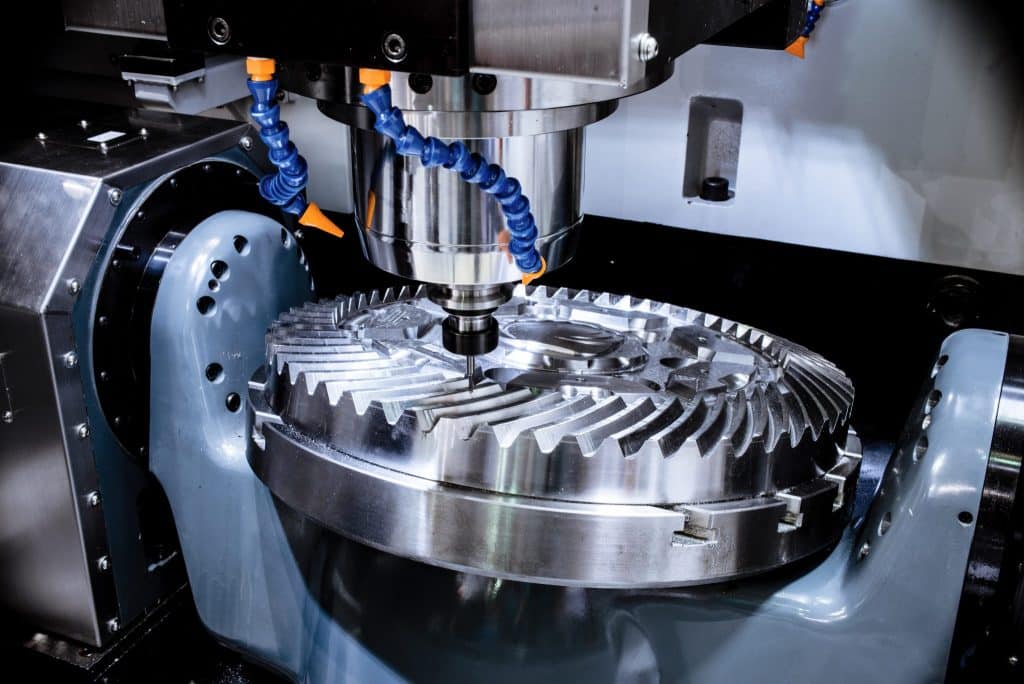
Global sourcing in power equipment has shifted from “find a low price” to “build a stable supply chain.” For importers, distributors, and OEM brands, engines are the heart of the product—if the engine is inconsistent, the whole machine becomes a warranty risk. That’s why more buyers are working directly with China Engine Factories: not only for competitive manufacturing costs, but for scalable capacity, fast customization, and tighter quality control when the right factory partner is chosen.
This article breaks down the practical reasons behind that trend—and what buyers should look for when sourcing engines for generators, pressure washers, lawn equipment, and other outdoor power applications.
1) Scale + specialization that matches power equipment reality
Power equipment engines are not “one-size-fits-all.” Buyers often need stable platforms across multiple models, plus the flexibility to adjust specifications for different markets. Many China Engine Factories are built around exactly this reality: repeatable mass production for core engine platforms, combined with engineering support for OEM variations (branding, packaging, accessory kits, governor settings, carb/EFI options, etc.). The result is a supply model that works for distributors (steady repeat orders) and OEM brands (differentiation without reinventing the whole engine).
2) OEM/ODM customization without the “slow & expensive” penalty
In many regions, a buyer’s competitive edge comes from small but meaningful changes: mounting points that match an existing frame, simplified maintenance access, better cold-start performance, or packaging that reduces damage in shipping. Working with China Engine Factories often makes these changes more achievable because production, machining, and assembly are closer together—so a change request can be validated, sampled, and scaled faster.
If you’re building an engine-based product line, it also helps to partner with a factory that has both gasoline and diesel options available under the same manufacturing system. On the Fullas site, you can see dedicated categories for Gasoline Engine and Diesel Engine—useful for buyers who want one supplier relationship but multiple product directions. China Engine Factory & OEM Supplier

3) Quality control is becoming the real sourcing advantage
Cost matters, but for serious buyers, consistency matters more. The strongest China Engine Factories compete by investing in repeatable process control: standardized inspection points, controlled assembly procedures, and test routines that reduce “random variation” between batches.
A practical way to judge this is simple: ask how quality is controlled across (1) incoming components, (2) machining tolerances, (3) assembly steps, and (4) final testing and traceability. A factory that can explain these clearly—without vague marketing—tends to be the factory that performs well after you place the second and third container, not only the first sample order.
4) Better supply-chain resilience for parts + after-sales support
Power equipment buyers don’t just buy engines—they buy a long-term parts and service ecosystem. That’s another reason China Engine Factories are attractive: many operate within dense industrial clusters where components and service parts are easier to source, standardize, and replenish. For distributors, this can mean fewer stockouts on fast-moving parts and faster turnaround when supporting dealer networks.
When you evaluate a factory, don’t only ask “What’s your price?” Ask:
- Which parts are standardized across models?
- What’s your recommended spare-parts list for 12 months of sales?
- How do you handle parts continuity if a component is updated?
These questions reveal whether a factory is built for long-term cooperation.
5) Export readiness and market compliance as a built-in capability
More markets are tightening requirements on product labeling, documentation, and compliance. Buyers increasingly prefer China Engine Factories that already understand export workflows: packing design, manuals, labeling requirements, and the paperwork cadence that prevents shipment delays.
On the Fullas homepage, the positioning is clearly “factory-direct” and export-oriented, with an emphasis on global B2B supply and OEM support. China Engine Factory & OEM Supplier
6) Total cost of ownership: the hidden reason sourcing keeps shifting
Here’s what many new importers miss: the cheapest engine is rarely the lowest-cost engine over 12–24 months. If a supplier has inconsistent quality, the downstream cost shows up as returns, warranty claims, reputation damage, and lost distributor confidence.
That’s why the sourcing question has evolved into:
Can this supplier keep quality stable while we scale?
And that’s where the right China Engine Factories stand out—because they’re optimized for repetitive production, not one-off shipments.
7) How to choose the right China Engine Factory (quick checklist)
A practical buyer checklist you can use immediately:
- Platform fit: Does the factory already produce engines commonly used in your category (generator, mower, washer, etc.)?
- Process transparency: Can they describe QC steps and test standards in a concrete way?
- Engineering response speed: Can they propose solutions, not only say “yes”?
- Sampling discipline: Are samples built from production intent, not “special hand-built” units?
- Spare parts system: Do they provide a clear parts list + ordering method?
- Communication: Do they respond like a long-term partner (clear, consistent, documented)?
Where Fullas fits
If your sourcing goal is to work with a factory-direct supplier focused on engines for power equipment and OEM cooperation, start by reviewing the Fullas product categories and capabilities on the homepage and the dedicated engine pages: Gasoline Engine and Diesel Engine. China Engine Factory & OEM Supplier