









What is an RCD and How Does It Work?
Electrical safety is a major concern anywhere portable power is used, especially on construction sites, outdoor projects, and temporary work areas. In these environments, moisture, damaged cables, and heavy-duty tools can increase the risk of electric shock. That is why many professionals pay close attention to one important protection feature: the RCD. Authorities such as Electrical Safety First describe an RCD as a device designed to help prevent fatal electric shock, while the UK Health and Safety Executive explains that it rapidly switches off the supply when certain faults are detected.
What Is an RCD?
An RCD, or Residual Current Device, is a safety device that monitors the flow of electricity in a circuit. If it detects that some current is leaking away from the normal path, it cuts off the power very quickly. Electrical Safety First explains that an RCD is designed to prevent fatal electric shock and can also provide some protection against electrical fires.
In simple terms, an RCD is there to react when electricity is no longer flowing as it should. It does not replace proper installation, safe cables, or correct operating procedures, but it adds an important layer of protection when a fault occurs. The UK Health and Safety Executive notes that RCDs reduce the potential for injury caused by a common type of electric shock, but they do not detect every possible fault.
How Does an RCD Work?
It Monitors the Balance of Current
Under normal conditions, the current flowing through the live conductor should be equal to the current returning through the neutral conductor. If those two values are balanced, the circuit is operating normally. Electrical Safety First describes this principle as continuous monitoring of the current flowing in the circuit.
It Detects Leakage
If part of the current escapes because of a damaged cable, faulty tool, moisture, or accidental human contact, the balance changes. That difference tells the RCD that electricity may be flowing somewhere dangerous, such as through a person or to earth. HSE states that an RCD detects some faults in the electrical system and rapidly switches off the supply.
It Cuts the Power Quickly
Once the imbalance reaches the trip threshold, the RCD disconnects the power almost immediately. HSE says that, to reduce the likelihood of injury, the RCD should have a tripping current of not more than 30 mA for this type of personal protection.
Why Is an RCD Important?
RCD protection is especially valuable in places where the risk of electric shock is higher than normal. According to HSE, using an RCD is particularly advisable in wet or damp locations, such as outdoors. Construction guidance from HSE also says RCDs used on site must be properly installed, checked daily, and protected from moisture, dirt, vibration, and mechanical damage.
Common High-Risk Situations Include:
- Outdoor work
- Construction and renovation sites
- Temporary power setups
- Damp or wet environments
- Portable tools and extension leads
In these situations, an RCD helps reduce risk by disconnecting power when leakage is detected. That is why it is widely seen as an important safety feature for portable power systems used in demanding environments.
What an RCD Does Not Do
It is important to explain this clearly. An RCD is a valuable protective device, but it is not a complete safety solution on its own. HSE explicitly says that an RCD cannot protect against every type of electric shock, so proper isolation, safe equipment, and good working practices still matter.
That means users should still:
- Inspect cables and plugs
- Keep equipment dry when required
- Use tools correctly
- Follow local electrical safety rules
- Maintain the power system properly
Why RCD Matters for Portable Power Stations
Portable power is no longer only about wattage and runtime. Buyers also care about safety, especially in professional applications. A portable power station with RCD protection offers a more safety-focused solution for users who work with tools, temporary installations, or mobile power systems.
This is where an RCD-equipped unit can stand out from a more traditional setup. In many generator applications, users are already concerned about noise, exhaust emissions, and operational safety. Adding RCD protection strengthens the case for battery-based power by addressing another important issue: electrical protection during real-world use.


How This Relates to the Fullas FPG3600
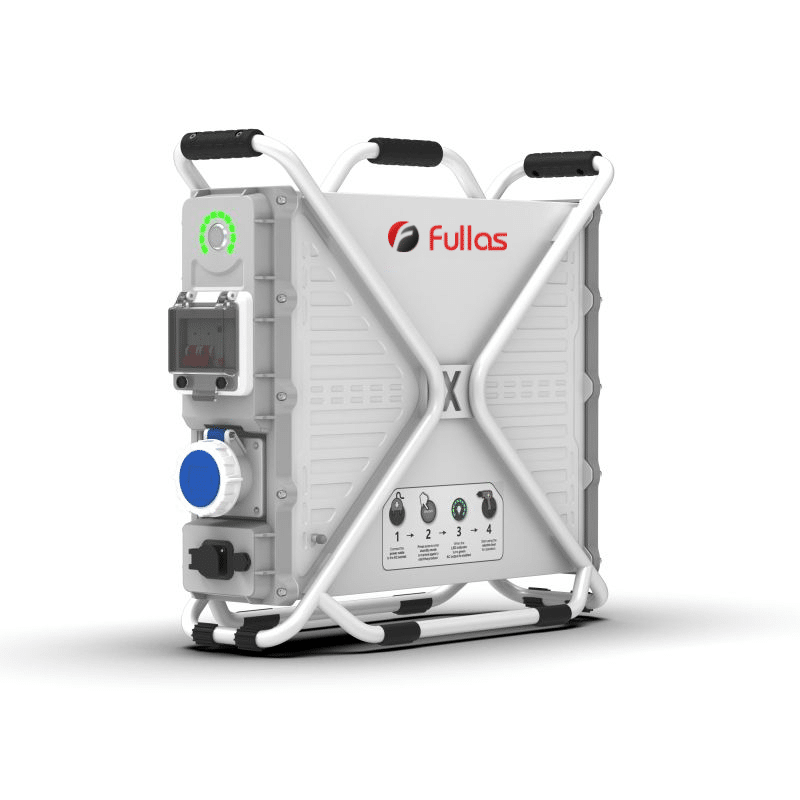
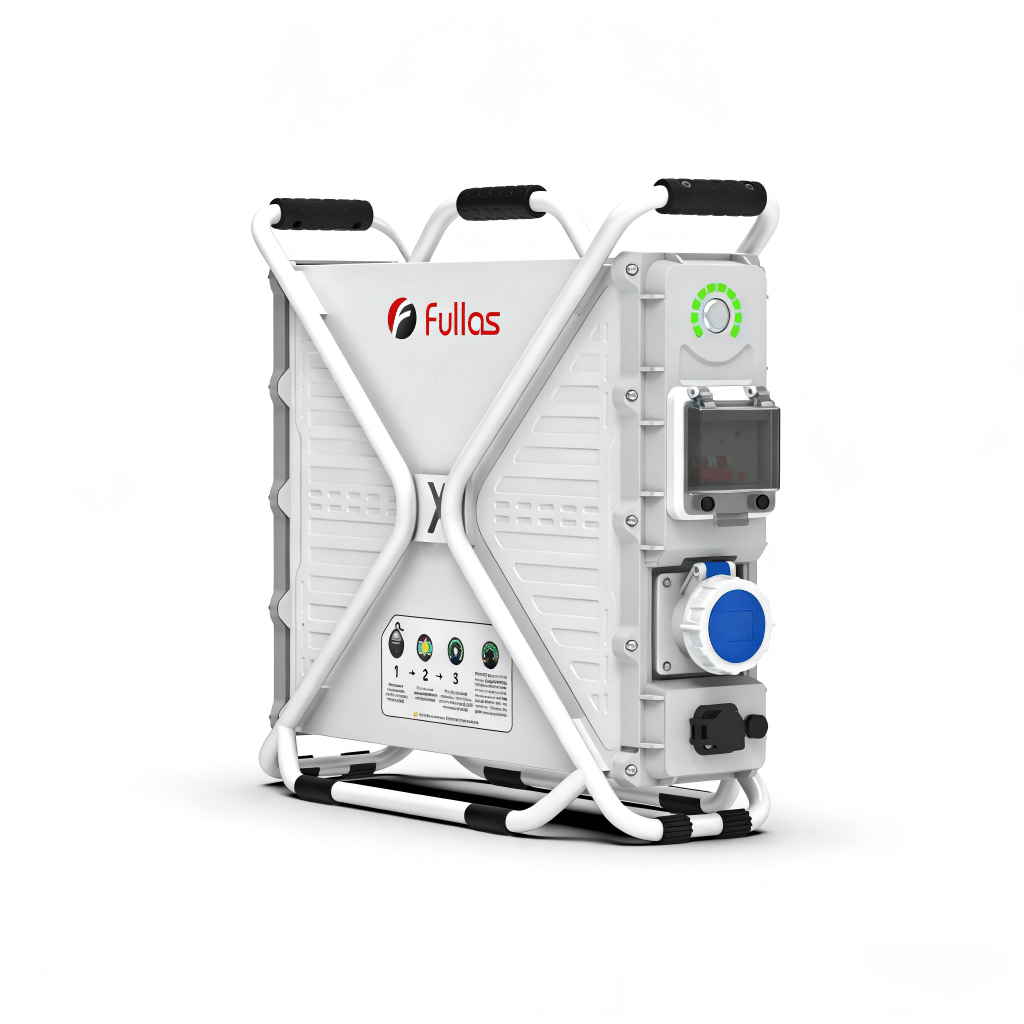
For a product like the Fullas FPG3600, RCD protection helps communicate a clear value message. The product is not just a portable power source. It is a portable power solution designed with site safety in mind.
In practical terms, that means the FPG3600 can be positioned as:
- A safer portable power option for jobsites
- A cleaner alternative to fuel generators
- A low-noise solution for indoor or semi-enclosed work areas
- A more professional power choice for contractors and industrial users
When you explain the FPG3600 to customers, you do not need overly technical language. A simple and effective message is this:
The built-in RCD helps detect leakage faults and disconnect power quickly, making the system better suited for demanding work environments where electrical safety matters.
That kind of explanation is easier for customers to understand, and it connects the feature directly to real use cases rather than treating it as just another specification.
Authoritative References
To support the article with trusted external sources, you can place these two links naturally in the body or near the end:
- Electrical Safety First – RCDs Explained: a clear introduction to what an RCD is and what it does.
- UK Health and Safety Executive – Work using electrically powered equipment: practical guidance on RCD use and electrical safety in work environments.
Conclusion
An RCD is a simple but important electrical safety device. It works by monitoring the balance of current in a circuit and cutting off power quickly when leakage is detected. That makes it especially useful in outdoor work, construction, temporary power distribution, and other higher-risk environments. Trusted guidance from Electrical Safety First and HSE both emphasize its role in reducing injury risk, while also making clear that it should be used alongside proper safety practices.
For the Fullas FPG3600, RCD protection adds practical value that customers can understand. It supports a stronger positioning around safer, cleaner, and more professional portable power for real jobsite use.