








Continuous Power vs Peak Power: What Buyers Need to Know
When buyers compare portable power stations, one of the most common questions is simple: What is the difference between continuous power and peak power? The clear answer is this: continuous power is the amount of power a unit can deliver steadily during normal operation, while peak power is the higher short burst of power available when equipment starts up or faces a temporary surge. Both matter, but for different reasons.

If you only look at one number, you can easily choose the wrong machine. A power station may show a high peak figure, but that does not mean it can run heavy equipment all day. In real jobsite use, continuous power tells you what the machine can support reliably, and peak power tells you whether it can handle startup demand from tools, motors, and other high-load equipment. That is why professional buyers should always check both figures before making a decision.
What Is Continuous Power?
Continuous power, sometimes also called rated power, is the stable output a power station can provide over time. This is the number that matters most for regular operation. If your equipment needs 3000W to run, your power station must be able to deliver that level continuously, not just for a few seconds.
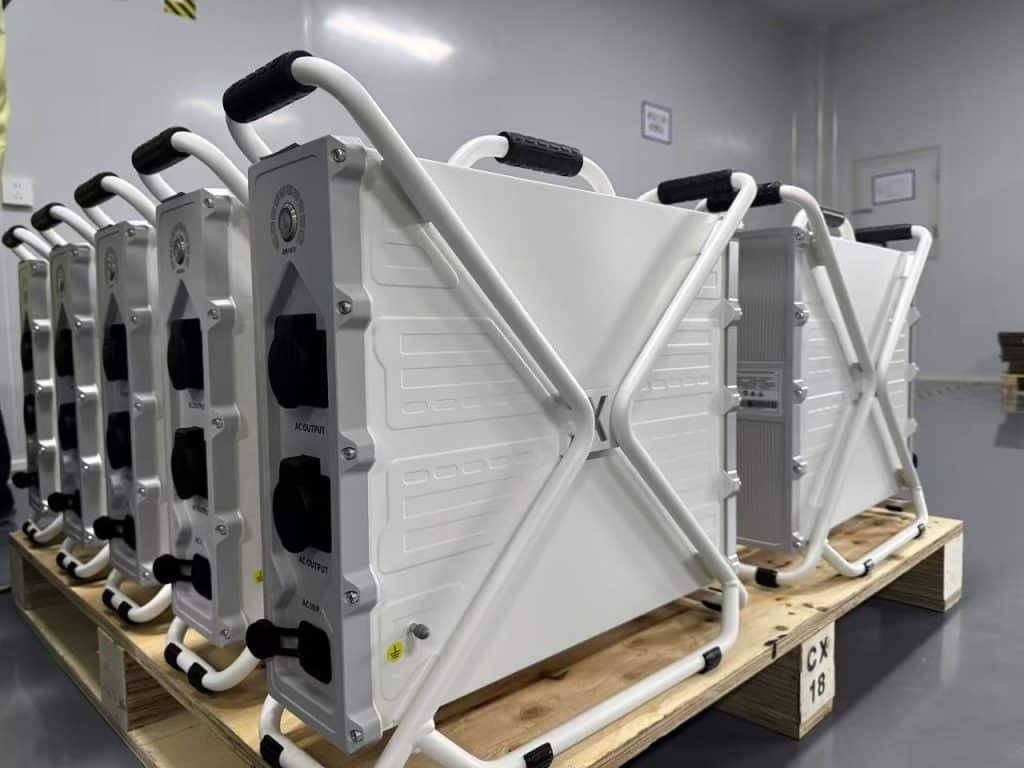
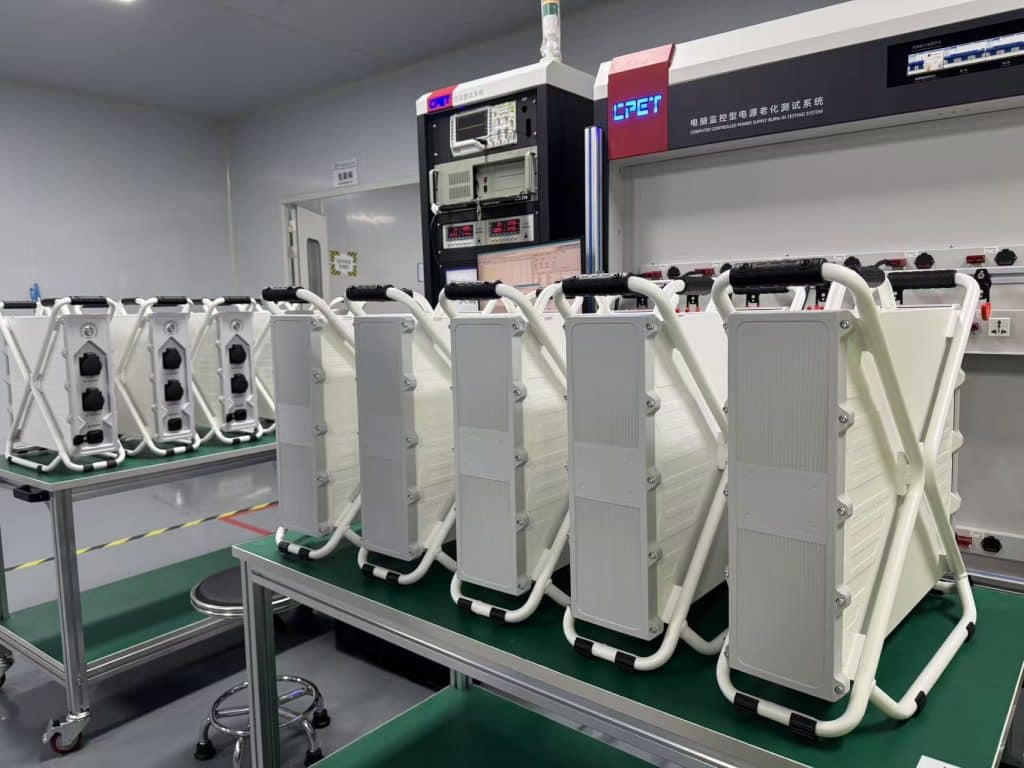
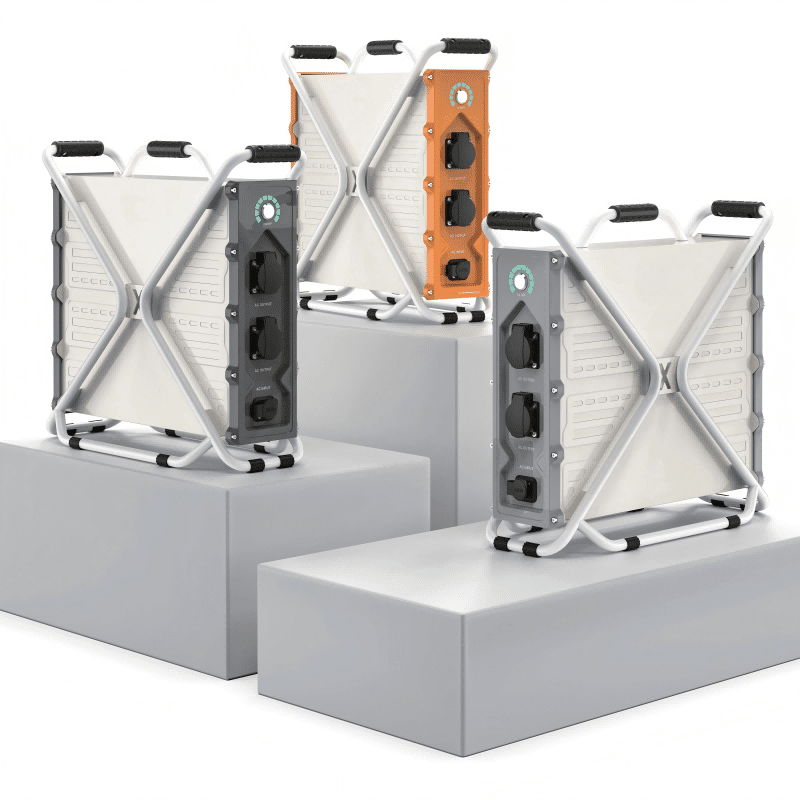
For example, the Fullas FPG3600 is listed with 3600W rated output, which means it is designed to provide that power level steadily for practical industrial use. On the product page, Fullas positions it for industrial tools, jobsite equipment, mobile workstations, and demanding professional environments, which is exactly where continuous output matters most.
According to an industry guide by EcoFlow, running watts (continuous power) refer to the steady electricity required to keep a device operating, while starting watts represent the extra surge needed when equipment first starts.


What Is Peak Power?
Peak power is the maximum short-term output a power station can provide for startup or sudden load spikes. Some tools and machines need more power at the moment they switch on than they need during normal running. This is common with motor-driven equipment and certain industrial devices.
The Fullas FPG3600 is listed with up to 20000W peak power, which gives buyers a clear signal that the unit is designed to handle demanding startup loads beyond its normal continuous operating level. This does not mean it runs at 20000W all day. It means the system can manage short surges when needed, helping equipment start more smoothly in real working conditions.
The Simple Difference
To make it easy:
- Continuous power = what the power station can run steadily
- Peak power = what the power station can handle briefly at startup
This is the most important buying logic. If you care about daily operation, focus on continuous power. If you need to start equipment with higher inrush demand, peak power becomes equally important.
Why Buyers Should Never Confuse the Two
A common mistake is assuming a high peak number means a machine is more powerful overall. In reality, a power station with impressive peak power but limited continuous output may still not be the right fit for your work.
For example, if your tools need stable high power for long periods, the key number is rated output. If your equipment only needs extra power for startup, then peak power helps prevent overload or failed starts. Good buyers do not choose between the two. They evaluate both together.
Many portable power stations list both continuous output and peak output. Continuous power represents the maximum steady power delivery, while peak power indicates the short surge available during startup.
This is one reason the FPG3600 is easier to position clearly in the market. It offers 3600W continuous output for stable operation and up to 20000W peak power for startup demand, so the value proposition is easy to explain to distributors and professional users.
Using the FPG3600 as an Example
The FPG3600 is a useful example because its numbers make the difference very easy to understand. According to the product page, it offers:
- 3600W rated output
- Up to 20000W peak power
- 2304Wh rated capacity
- IP54 protection
- 2.5-hour charging time
- 24kg net weight
- App-based intelligent monitoring
- Ultra-low operating noise below 30dB

What does that mean in practical terms?
It means the unit is not just built to show a strong headline number. It is designed to combine stable working power, high startup capability, and industrial-friendly features. For buyers in construction, rental, field service, mobile operations, and temporary site power, that combination is much easier to sell than a product that only emphasizes battery capacity or only emphasizes surge output.
Why Continuous Power Matters More in Real Work
For most professional applications, continuous power is the number that affects everyday performance. Buyers want to know whether the machine can keep equipment running without interruption. That is especially important on jobsites, service vehicles, temporary workstations, and indoor environments where stable performance matters more than marketing claims.
The FPG3600 product page specifically highlights its suitability for construction sites, mobile workstations, emergency backup power, and professional applications, which makes continuous output one of its most practical strengths. Stable power delivery is also presented as a benefit for sensitive equipment and professional use.
Why Peak Power Still Matters
Peak power should not be ignored. Startup load is a real issue in many working environments. A system that cannot handle startup demand may trip, overload, or fail to support equipment reliably. That creates downtime, frustration, and lower efficiency on site.
This is why the FPG3600’s high peak figure is commercially useful. It supports the message that the unit is designed not only for steady output, but also for demanding operating conditions where equipment startup matters. Combined with 97% efficiency highlighted on the product page, the unit presents a strong industrial positioning for buyers comparing serious portable power solutions.
More Than Power Numbers: What Professional Buyers Also Check
Power numbers are critical, but they are not the whole story. In professional buying decisions, users also care about protection, charging speed, portability, noise, and monitoring.
The FPG3600 includes several features that help strengthen its industrial use case. Fullas lists IP54 protection for dust and moisture resistance, fast charging performance with a 2.5-hour charging time, smart app monitoring, and 24kg portability for easier single-person carrying. The page also highlights zero exhaust emissions, lower carbon footprint, and lower total cost of ownership compared with fuel-powered generators. For many buyers, these are strong practical advantages, especially for indoor work, noise-sensitive areas, and environments where fuel generators are less convenient.
Portable Power Station vs Generator Thinking
This is where the difference between continuous power and peak power becomes even more useful in sales communication. Buyers who are used to fuel generators often think only about “how much power” a machine has. But in the portable power station category, smarter buyers ask a better question: How much stable power do I get, and can it also handle startup demand?
That is a more practical way to compare options. In the FPG3600’s case, the answer is straightforward: it provides 3600W continuous output for steady industrial use and up to 20000W peak power for short startup surges, while also offering quiet, clean operation and lower maintenance than traditional fuel-based systems.
A Simple Buying Rule
If you want one easy rule to remember, use this:
Choose a power station based on continuous power first, and confirm peak power second.
That is the safest way to evaluate equipment. Continuous power tells you what the unit can truly support in daily use. Peak power tells you whether it can handle the momentary extra demand that some tools require.
Final Answer
So, what is the real difference between continuous power and peak power?
Continuous power is the steady output you rely on during operation. Peak power is the short burst available for startup and temporary surges. Buyers need both numbers, but they should always base their main decision on continuous power.
Using the Fullas FPG3600 as an example makes this easy to understand. It combines 3600W continuous output with up to 20000W peak power, along with IP54 protection, fast charging, app monitoring, 2304Wh capacity, and low-noise operation, making it a strong option for industrial and mobile power applications.