









As melhores soluções de energia temporária para estaleiros de construção em 2026
O que faz uma boa solução de energia temporária?
Uma boa solução de energia temporária para estaleiros de construção deve ser fiável, móvel, fácil de operar e adequada às necessidades reais de carga. O melhor sistema nem sempre é o maior. Deve ser compatível com o tipo de ferramentas, o ambiente de trabalho e a duração da operação.
Diferentes equipas de construção têm diferentes necessidades de energia. As equipas de reparação de estradas podem preocupar-se mais com a mobilidade e a rapidez de instalação, enquanto os empreiteiros de renovação de interiores podem necessitar de potência silenciosa e sem emissões. As equipas de perfuração, corte e demolição necessitam frequentemente de uma potência mais forte para ferramentas exigentes.
Mobilidade
Fácil de deslocar entre diferentes áreas de trabalho, especialmente para locais de trabalho exteriores e remotos.
Saída estável
Adequado para ferramentas com cargas de arranque elevadas e requisitos de potência contínua.
Baixo ruído
Melhor para a construção urbana, renovação de interiores e ambientes de trabalho sensíveis ao ruído.
Operação fácil
Simples de utilizar no local por empreiteiros, utilizadores de aluguer e equipas de serviço no terreno.
Aplicações comuns para energia temporária para construção
É aqui que as centrais eléctricas portáteis industriais podem tornar-se uma forte alternativa ou um complemento aos geradores tradicionais, especialmente para trabalhos de construção móveis, renovação de interiores, energia temporária no local de trabalho e aplicações sensíveis ao ruído.
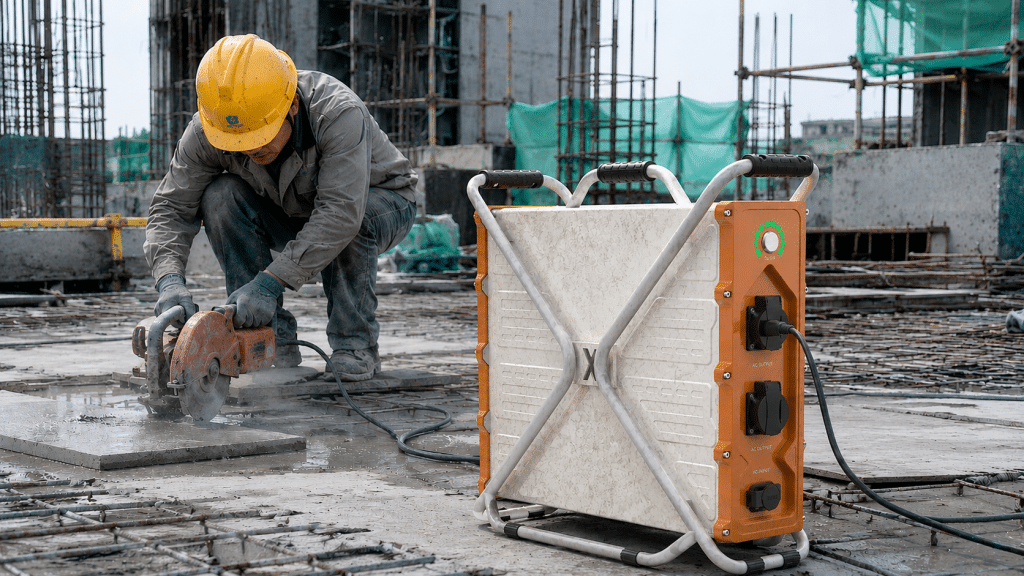
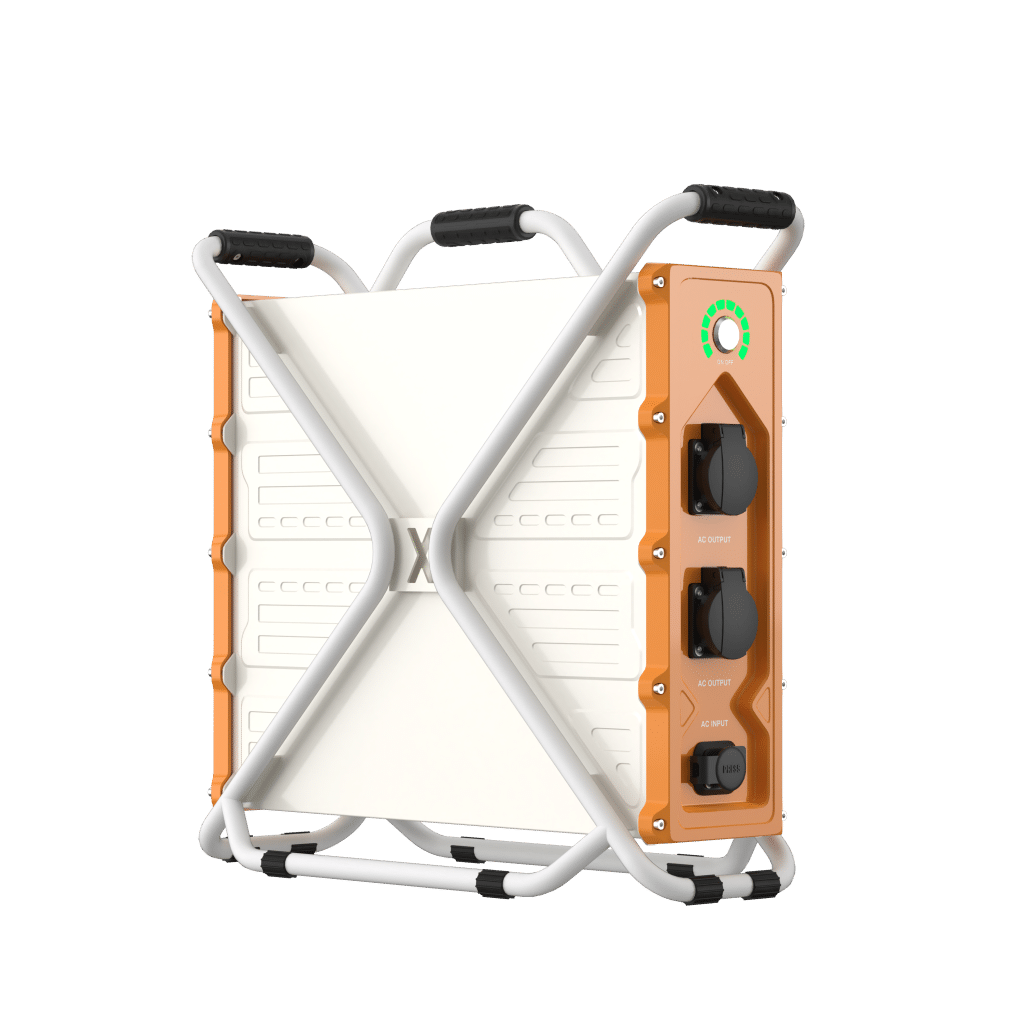
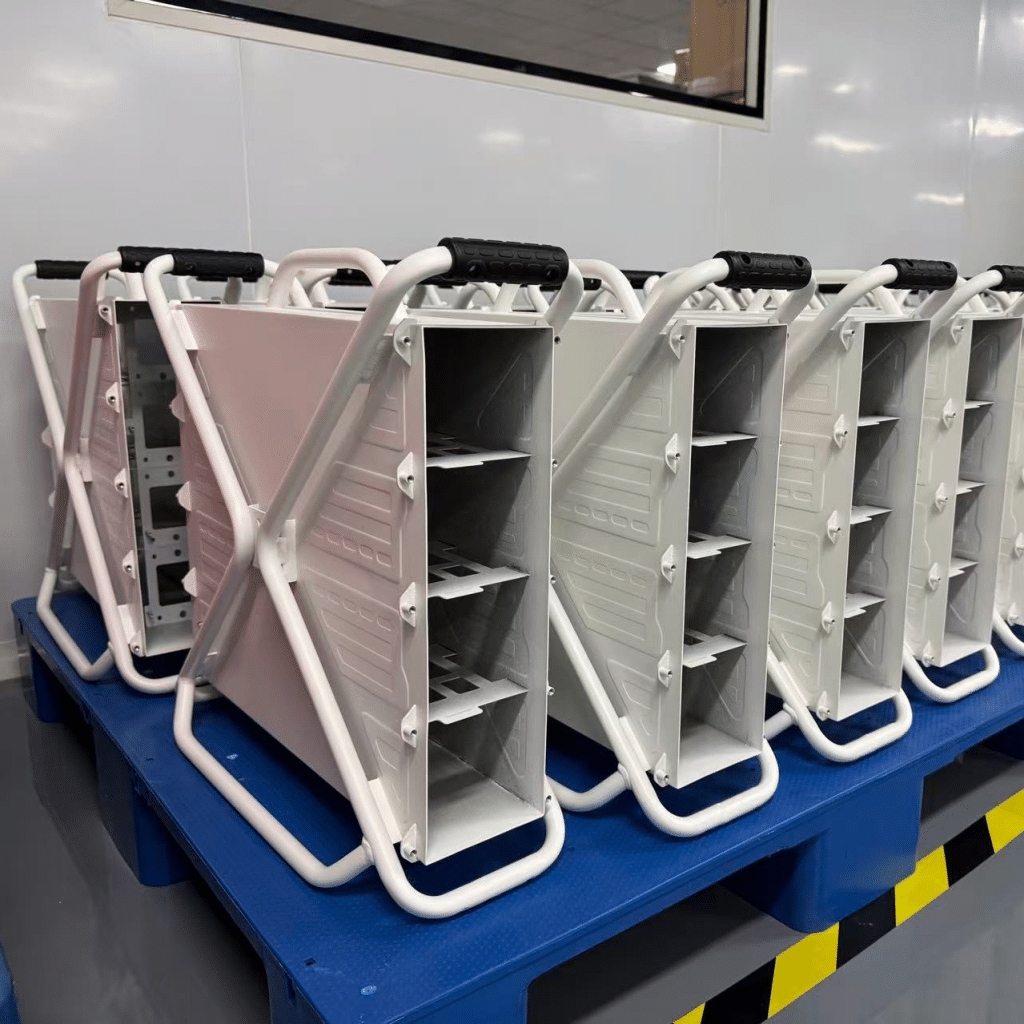
FPG3600: Potência portátil industrial para aplicações de construção
Para os empreiteiros que procuram uma solução prática de energia temporária, o Central eléctrica portátil industrial FULLAS FPG3600 foi concebido para utilização profissional em estaleiros de obras. Pode ser utilizado como uma fonte de alimentação CA móvel para ferramentas de construção, equipas de manutenção, operações no terreno e trabalho no exterior.
Ao contrário das pequenas centrais eléctricas de campismo, a FPG3600 está posicionada para aplicações mais pesadas. É adequado para utilizadores profissionais que necessitam de energia portátil para construção, reparação, perfuração, corte, soldadura, bombagem e operações temporárias no local. Para os compradores B2B, empresas de aluguer e distribuidores de equipamento, este tipo de central eléctrica portátil industrial pode também tornar-se uma categoria de produto útil à medida que mais empreiteiros procuram energia silenciosa e limpa no local de trabalho.
Dados reais de ensaios de carga para ferramentas de construção
O valor de uma solução de energia temporária deve ser comprovado por cargas de trabalho reais e não apenas por números de potência nominal. As ferramentas de construção têm frequentemente requisitos exigentes de arranque e de potência contínua, pelo que os testes reais ao estilo do local de trabalho são importantes.
Abaixo estão os resultados do teste de carga do FPG3600 para diferentes aplicações de construção:
Estes testes de carga mostram que o FPG3600 não é apenas adequado para uma utilização de apoio ligeira. Pode suportar ferramentas reais relacionadas com a construção, tais como máquinas de soldar, perfuradoras, serras de corte, martelos de demolição, aspiradores industriais e bombas. Para a energia temporária de construção, isto é importante porque os empreiteiros precisam de equipamento que possa lidar com o trabalho real no local em vez de apenas carregar pequenos dispositivos.
Energia temporária para soldadura
A soldadura é uma das aplicações mais exigentes no local de trabalho para uma fonte de alimentação portátil. Uma máquina de soldadura por arco de 3kW requer uma saída CA estável e um fornecimento de energia fiável. No teste de carga, a PG3600 suportou um funcionamento a 230V e completou 98 cordões de soldadura utilizando varetas de soldadura de 2,5 mm de diâmetro. Isto torna-a uma opção prática para pequenos trabalhos de reparação, instalação de metais, equipas de manutenção e tarefas de soldadura móveis onde o acesso à rede é limitado.
Para os empreiteiros, isto significa que uma central eléctrica portátil pode ser utilizada em situações em que trazer um gerador é inconveniente, ruidoso ou restrito. Também pode ser útil para trabalhos de soldadura de curta duração, em que a configuração rápida é mais importante do que o funcionamento contínuo e prolongado do gerador.
Energia temporária para perfuração e corte
A perfuração, a perfuração de furos e o corte de tubos são tarefas comuns em trabalhos de construção, renovação e instalação. Estes trabalhos ocorrem frequentemente em áreas onde a energia eléctrica permanente ainda não está disponível, ou onde o encaminhamento dos cabos é inconveniente.
O teste de carga da PG3600 com uma máquina de perfuração com núcleo de 3,2 kW atingiu até 11 furos com um diâmetro de 150 mm e uma profundidade de 150 mm. Com um berbequim de 1,4 kW, completou até 243 furos com um diâmetro de 35 mm e uma profundidade de 10 mm. Para o trabalho de corte, o teste da serra de corte de 2,7 kW alcançou até 41 cortes em tubos de ferro fundido de 110 mm de diâmetro.
Estes resultados são úteis para os empreiteiros porque mostram como a energia temporária pode apoiar trabalhos reais de instalação e renovação. Em vez de esperar pela energia da rede ou de deslocar um gerador pelo local, os trabalhadores podem aproximar uma central eléctrica portátil da área de trabalho.
Energia temporária para demolição e controlo de poeiras
Os trabalhos de demolição e corte criam frequentemente poeiras e detritos. A potência não é apenas necessária para a ferramenta principal, mas também para o equipamento de apoio, como os aspiradores industriais. O teste da PG3600 com um martelo de demolição de 2,2 kW mostrou a capacidade de demolir 8,2 toneladas de laje de betão. O teste do aspirador industrial atingiu 8.500 litros de volume de aspiração.
Esta combinação é importante para os estaleiros de construção modernos. Uma boa solução de energia temporária não deve apenas alimentar a ferramenta principal, mas também apoiar operações mais limpas e seguras no local. O controlo de poeiras, a remoção de detritos e a mobilidade do equipamento afectam a produtividade do local de trabalho.
Energia temporária para bombagem de água
A bombagem de água é outra aplicação importante da energia temporária para construção. Após a queda de chuva, trabalhos de escavação, construção de caves ou preparação de locais exteriores, os empreiteiros necessitam frequentemente de uma fonte de energia portátil para bombas.
No teste de carga da PG3600, uma bomba de 2,3 kW forneceu até 50.000 litros de água, com um caudal de 780 litros por minuto e um tempo de funcionamento de 64 minutos. Isto torna a FPG3600 adequada para drenagem temporária, preparação de locais exteriores, bombagem de emergência e trabalhos de manutenção.
Para locais de trabalho remotos, isto pode reduzir a dependência de uma fonte de alimentação fixa e melhorar a velocidade de resposta quando a água tem de ser removida rapidamente.
Central eléctrica a bateria vs gerador a diesel para construção
Os geradores a gasóleo continuam a ser úteis para a alimentação de longa duração, de alta potência e contínua no local. No entanto, nem todas as tarefas necessitam de um gerador a gasóleo. Para muitas operações de curto prazo, móveis e baseadas em ferramentas, uma estação de energia de bateria portátil pode ser mais conveniente.
Uma central eléctrica a bateria é especialmente adequada quando o trabalho exige:
- Menor ruído
- Sem fumos de escape
- Configuração rápida
- Utilização em interiores ou semi-exteriores
- Operação da ferramenta a curto prazo
- Trabalhos de reparação móveis
- Manuseamento reduzido de combustível
- Operação mais limpa no local de trabalho
- Energia de reserva para ferramentas críticas
Para muitos empreiteiros, a melhor solução pode não ser “bateria ou gerador”, mas “bateria e gerador”. Um gerador a gasóleo ou a gasolina ainda pode suportar energia contínua durante muito tempo, enquanto uma estação de energia portátil pode lidar com ferramentas móveis, trabalho em interiores, tarefas sensíveis ao ruído e necessidades rápidas de energia temporária.
Escolher a solução de energia temporária correta em 2026
Ao escolher a energia temporária para estaleiros de construção, os compradores devem considerar vários factores:
Potência de saída: Verificar se o sistema pode suportar a potência nominal e de arranque de ferramentas como serras, berbequins, bombas e soldadores.
Compatibilidade de tensão: Muitas ferramentas profissionais requerem uma alimentação de 230 V CA, pelo que a tensão de saída deve corresponder ao equipamento.
Tempo de funcionamento: O tempo de funcionamento depende da potência da ferramenta, do padrão de trabalho e da capacidade da bateria. A utilização intermitente da ferramenta pode durar muito mais tempo do que o funcionamento contínuo a plena carga.
Mobilidade: As equipas de construção necessitam de equipamento que possa ser deslocado rapidamente entre áreas de trabalho.
Ruído e emissões: Para a renovação de interiores, construção urbana ou trabalho noturno, uma potência mais silenciosa e limpa pode ser uma grande vantagem.
Segurança e funcionamento: O equipamento elétrico temporário deve ser utilizado de acordo com os requisitos de segurança do local e operado por utilizadores com formação.
Apoio pós-venda e B2B: Para distribuidores, empresas de aluguer e compradores OEM, a fiabilidade do produto, as peças sobresselentes, o apoio técnico e as opções de personalização também são importantes.
Conclusão: A energia temporária está a tornar-se mais inteligente, mais limpa e mais flexível
A energia temporária para estaleiros de construção está a mudar. Os empreiteiros continuam a precisar de eletricidade fiável, mas também precisam de soluções mais silenciosas, mais limpas e mais flexíveis. À medida que os locais de construção se tornam mais complexos e os prazos dos projectos se tornam mais apertados, as estações de energia portáteis a bateria estão a tornar-se uma parte importante do planeamento da energia no local de trabalho.
A central eléctrica portátil industrial FPG3600 da FULLAS constitui uma opção prática para ferramentas de construção, soldadura, perfuração, corte, demolição, aspiração e bombagem de água. Com dados reais de testes de carga em várias aplicações, mostra como a energia temporária baseada em baterias pode apoiar o trabalho profissional no local de trabalho.
Para empreiteiros, empresas de aluguer e fornecedores de equipamento que procuram uma solução moderna de energia temporária, o FPG3600 oferece uma alternativa mais limpa e mais móvel para muitos cenários de construção.
Saiba mais sobre o produto aqui: