








Fabricants d'équipements électriques OEM : 10 options majeures pour les distributeurs B2B mondiaux
If you’re a distributor building a private-label or branded line of engines, generators, or outdoor power equipment, the hardest part usually isn’t finding suppliers.
It’s validating them—fast enough to hit your season, and thoroughly enough to avoid compliance surprises, warranty blowups, or a “great sample / bad batch” situation.
This list is designed for decision-stage buyers: people ready to request quotes and run supplier due diligence.
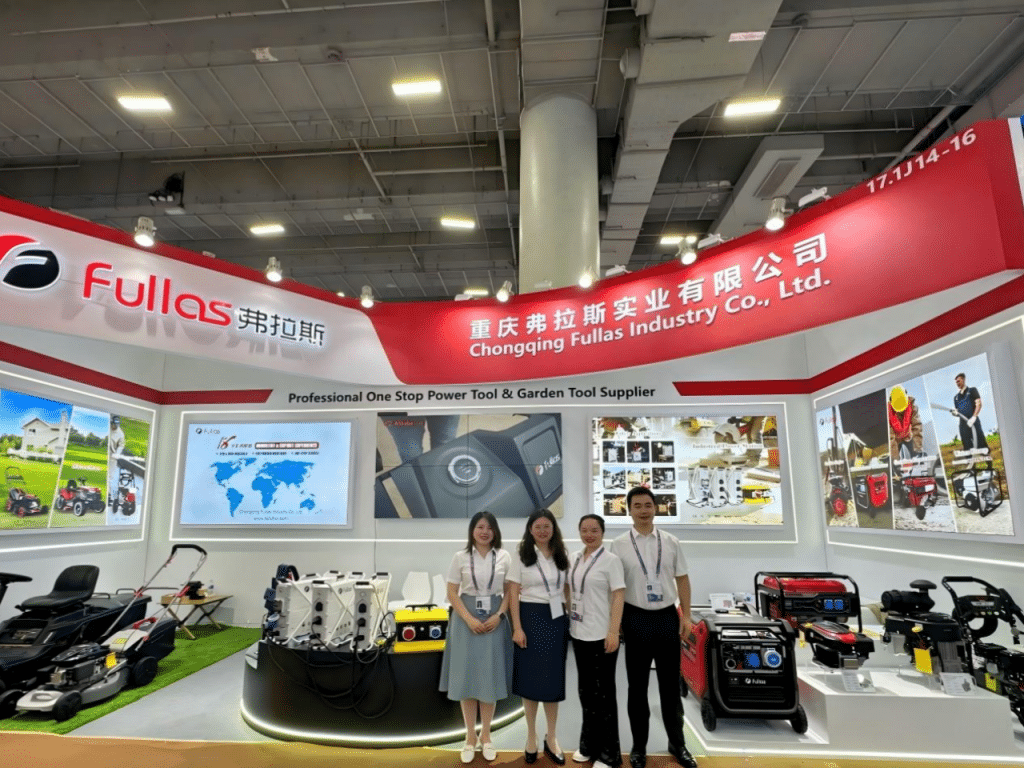
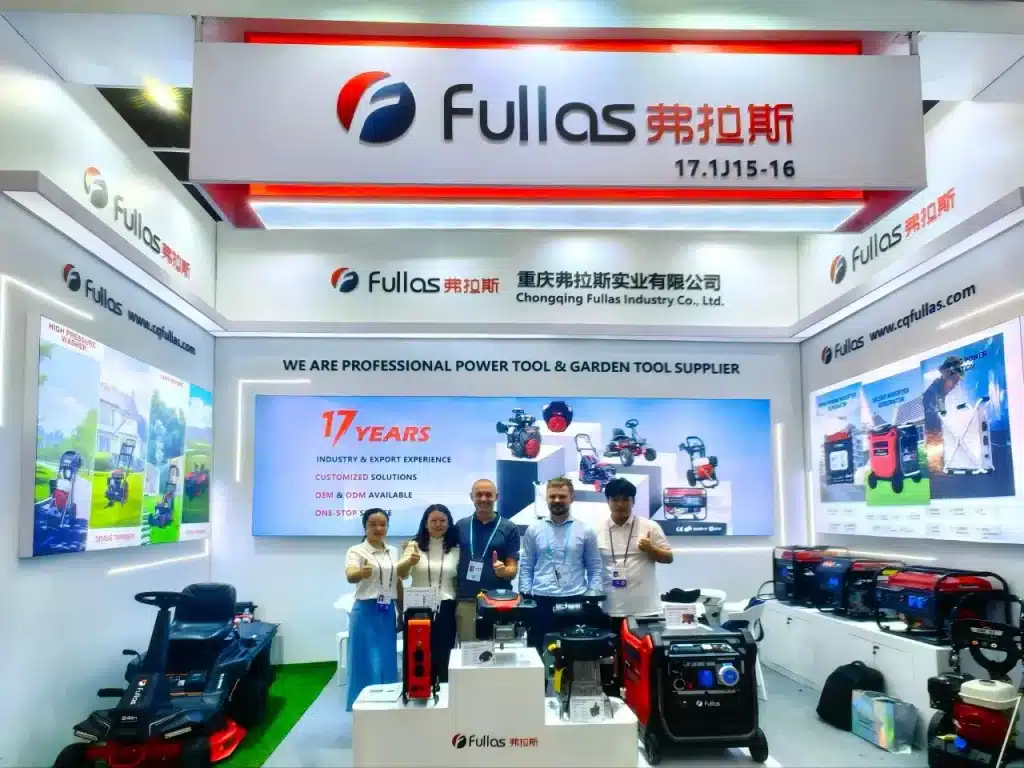
For distributors considering China-based OEM supply, FULLAS is one example of a manufacturer focused on gasoline engines, generators, industrial portable power stations and outdoor power equipment. Since 2010, FULLAS has supported OEM and ODM projects for global B2B customers with product customization, private-label options, spare parts support and long-term supply cooperation.
How we chose these OEM power equipment manufacturers
“Leading” here doesn’t mean “best for everyone.” It means these companies are widely recognized in the global market for at least one of these categories:
- Outdoor power equipment manufacturers (mowers, handheld tools, turf equipment)
- Small engine manufacturers (engines that power many downstream brands)
- Generator OEMs (portable generators and larger generator sets)
And because many buyers start by searching for an OEM generator manufacturer, we’ve included both portable and industrial power names where they’re most relevant.
To keep this useful for procurement, each entry includes:
- What the manufacturer is known for (category fit)
- Where they typically show up in the supply chain (brand vs OEM vs engine supplier)
- What you should verify in an RFQ before you treat them as a real option
For broader market context, see the manufacturer lists cited by
Grand View Research’s U.S. outdoor power equipment market report (updated 2026),
MarketsandMarkets’ small gas engines industry insight (updated 2026), et MG Genset’s overview of major genset manufacturers (updated 2025).
1) Husqvarna Group
Known for: premium outdoor power equipment at global scale (including battery and robotic categories).
Where they fit: primarily a finished-equipment brand/OEM in the OPE ecosystem.
RFQ validation focus:
- If you’re sourcing adjacent categories (e.g., certain mower platforms), request clarity on model availability by region, parts support, and channel policy.
- Confirm how warranty support is handled in distributor models and what service network expectations exist.
2) STIHL
Known for: professional-grade handheld outdoor power equipment.
Where they fit: a globally established OPE manufacturer and brand.
RFQ validation focus:
- Clarify product-channel structure and what is supported through distribution vs owned dealer networks.
- Get explicit documentation for any required safety labeling and user documentation by market.
3) The Toro Company
Known for: commercial turf and landscaping equipment.
Where they fit: major OPE OEM, especially strong in commercial applications.
RFQ validation focus:
- Confirm commercial duty-cycle assumptions (expected usage) and service parts availability.
- Ask for a clear spare parts program—your reputation will depend on field uptime.
4) Honda (power equipment / engines)
Known for: small engines and power equipment platforms with strong global recognition.
Where they fit: both a brand and, in many product lines, a core technology platform reference point.
RFQ validation focus:
- Distinguish what you’re sourcing: finished equipment vs engine supply vs subassemblies.
- Validate regional compliance and documentation requirements early—don’t assume one certification pack covers all variants.
5) Briggs & Stratton
Known for: small engines and portable power categories.
Where they fit: a recognizable name in both the small engine manufacturers segment and portable generator ecosystems.
RFQ validation focus:
- Confirm engine spec configuration stability (carburation/EFI variants, governor settings, emissions family differences).
- Ask how engineering changes are communicated and how long parts are supported.
6) Kohler
Known for: engines and power systems; well-known in generator and standby applications.
Where they fit: major manufacturer across engines and power generation.
RFQ validation focus:
- Ask for full documentation coverage: test scope, applicable standards, and which exact configuration it applies to.
- Request service documentation availability (service manuals, parts lists) for distributor support.
7) Generac
Known for: generator systems, especially in standby/residential and commercial segments.
Where they fit: generator OEM and a major brand in the power generation category.
RFQ validation focus:
- Clarify product segment fit: portable vs standby vs industrial, and the support requirements for each.
- Confirm lead times and capacity planning if your demand is seasonal.
8) Cummins
Known for: engines and generator sets for industrial and mission-critical use.
Where they fit: a global engine and genset leader—often a benchmark for industrial power.
RFQ validation focus:
- Get precise about ratings, duty cycle, and service intervals.
- Confirm the service/support model in your target regions.
9) Caterpillar (CAT)
Known for: industrial engines and generator sets.
Where they fit: large-scale industrial power systems and high-reliability applications.
RFQ validation focus:
- Verify rating definitions and operating conditions assumptions.
- Ask for documentation that procurement can actually audit (not marketing summaries).
10) Yanmar
Known for: compact diesel engines and industrial/marine power applications.
Where they fit: engine-driven power solutions; often relevant where durability and fuel efficiency are prioritized.
RFQ validation focus:
- Validate application match (load profiles, ambient conditions, duty-cycle expectations).
- Confirm global parts availability and service documentation.
How to validate any OEM/ODM power equipment supplier before you sign
Even when you’re talking to a well-known manufacturer—or a strong OEM/ODM factory—most sourcing failures come from mismatched expectations and incomplete documentation.
Here’s a tight due diligence scorecard you can use in your RFQ.
1) Certification and compliance: verify scope, not claims
Don’t accept “we have CE/UL/ISO” as an answer.
Ask for certificates and test reports that match the exact model/configuration, legal entity, and market. Component-level compliance can also matter in the finished product, which is why compliance professionals emphasize the ethical and practical importance of using certified/recognized components correctly (see In Compliance Magazine’s “Recognized Components and Ethical Compliance Obligations” (2023; updated 2025)).
⚠️ Avertissement: A certificate with the wrong company name, model number, or test standard is functionally useless in an audit.
2) Quality system: look for repeatability, traceability, and change control
Certifications can be a signal that a manufacturer follows structured processes that support consistent output (see TMCO’s overview of “certifications that matter in custom equipment manufacturing” (2026)). But your RFQ should still demand specifics:
- Incoming inspection standards (what is checked, and how often?)
- In-process testing and final inspection (what pass/fail criteria?)
- Traceability (batch/serial tracking) and corrective action procedures
- Engineering change control (how substitutions and revisions are approved)
3) Commercial reality: lead times, MOQs, spares, and warranty
Before you optimize price, lock down the operational terms that protect your distributor business:
- Sample lead time vs mass production lead time
- MOQ for: base model, branded packaging, manuals, color changes, and spare parts
- Warranty terms and how claims are handled
- Spare parts list + stocking recommendation + replenishment lead times
If you want a structured way to evaluate support readiness, start with the supplier’s own documentation around OEM/ODM services, product categories, et spare parts support:
- OEM/ODM service overview
- Product categories and power equipment range
- Spare parts and service components
4) The RFQ email outline (copy/paste)
If you want faster, cleaner quotes, send a single RFQ that includes:
- Target market(s) and required compliance standards
- Product category + intended application (duty cycle, environment)
- Configuration requirements (voltage/frequency, fuel type, emissions constraints)
- Branding/packaging needs (OEM vs ODM scope)
- Target order volume (first order + 12‑month forecast range)
- Requested incoterms + destination port
- Required documents (test reports, QC checklist, spare parts list, manuals)
Then route it to the supplier contact point you use for your sourcing process (example: RFQ / contact form).
For distributors sourcing gasoline engines, generators, lawn mowers or industrial power stations, FULLAS can provide OEM and ODM support, product customization, spare parts supply and long-term manufacturing cooperation. Contact our team to discuss your target market, product category and annual purchasing plan.