









Top 9 Industrial power station Suppliers in 2026
If you distribute power equipment internationally, sourcing in 2026 is less about chasing the biggest watt number—and more about reducing supplier risk: compliance gaps, quality drift, and after-sales failures.
This guide is written for Global Power Equipment Distributors who want two things:
- a credible shortlist of industrial power station suppliers, ve
- a repeatable way to qualify any portable power station OEM (and any LiFePO4 power station) before you place a frame order.

How we ranked suppliers (quick method):
- Compliance pack completeness (model-level): documents match the exact SKU and destination market.
- Battery transport readiness: valid UN38.3 paperwork for shipments.
- QC + traceability: prevents “good sample, bad batch.”
- Warranty + spares: real RMA path, parts availability, and clear exclusions.
- Lead time + change control: stable delivery plus pre-notification of cell/BMS/inverter/firmware changes.
For logistics risk, ATS explains why UN 38.3 transport testing for lithium batteries is treated as a baseline requirement for shipping.
What’s different in 2026:
- LiFePO4 is now the expectation, so differentiation shifts to safety documentation, BMS behavior, and serviceability. For a practical sense of how fast the category is moving, see the consumer testing trend toward LiFePO4 in Outdoor Life’s best portable power stations of 2026.
- More buyers are translating test-style criteria into acceptance checks—CNET’s methodology highlights dimensions like usable capacity, charge time, output/surge performance, ports, UPS behavior, and warranty; see CNET’s testing criteria for portable power stations.
RFQ checklist (what to request before you scale POs):
- Certificates/test reports tied to the exact SKU + market (match nameplate photos)
- UN38.3 test summary/report for the shipped battery pack
- QC flow + traceability (incoming/in-process/final test, record retention)
- Warranty policy: duration, exclusions, claim steps, typical turnaround time
- Spare parts plan: what’s stocked, lead times, recommended spares per container
- Change control commitment (written)
- Lead times + capacity: MOQ, peak season constraints, how production slots are reserved
⚠️ Warning: If a supplier refuses factory audits, won’t share clear warranty terms, or prices are “too good to be true,” treat that as a risk signal—not a negotiating win. Lipower’s manufacturer guide calls out red flags like audit refusal, vague warranty, and suspiciously low pricing.
1) EcoFlow
Best fit for: Distributors who need fast-charging models, strong feature sets, and broad brand recognition.
What to verify:
- model-level certification scope (especially if SKUs include app/Wi‑Fi features)
- warranty handling process in your region
- parts availability for high-volume SKUs
Watch-outs: Fast iteration cycles can create version complexity—insist on change control and stable documentation.
2) BLUETTI
Best fit for: Higher-capacity lineups where customers value longevity and LiFePO4 positioning.
What to verify:
- thermal management and protection behavior under high load
- sample-to-mass consistency on ports, inverter performance, and firmware
Watch-outs: Ensure the exact region variant documentation matches what you import (don’t rely on “global” claims).
3) Jackery
Best fit for: Broad consumer-to-pro channel coverage and strong brand trust in many markets.
What to verify:
- SKU lineup suitability for industrial/jobsite use (not every model is built for harsh environments)
- after-sales support terms for B2B distribution
Watch-outs: Don’t let brand recognition replace qualification—do the same model-level compliance checks.
4) Goal Zero
Best fit for: Solar-first packages and rugged positioning for field use and emergency preparedness.
What to verify:
- durability/IP expectations for your customer segment
- accessory ecosystem availability and spares
Watch-outs: Confirm performance expectations under continuous higher-load duty cycles if your customers are jobsite-heavy.
5) Anker SOLIX
Best fit for: Distributors seeking a reliability-oriented brand with competitive feature sets and strong mainstream demand.
What to verify:
- warranty terms and support workflow for your region
- documentation quality (manuals, labeling, compliance pack)
Watch-outs: Ensure the product family you carry aligns with your channel (backup vs. industrial use).
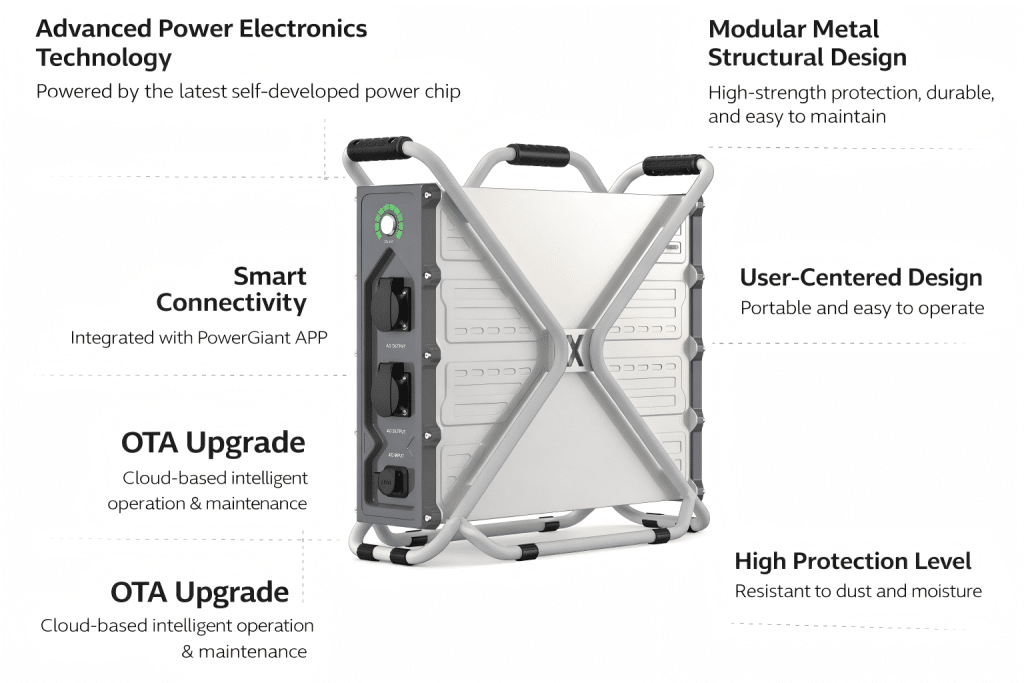
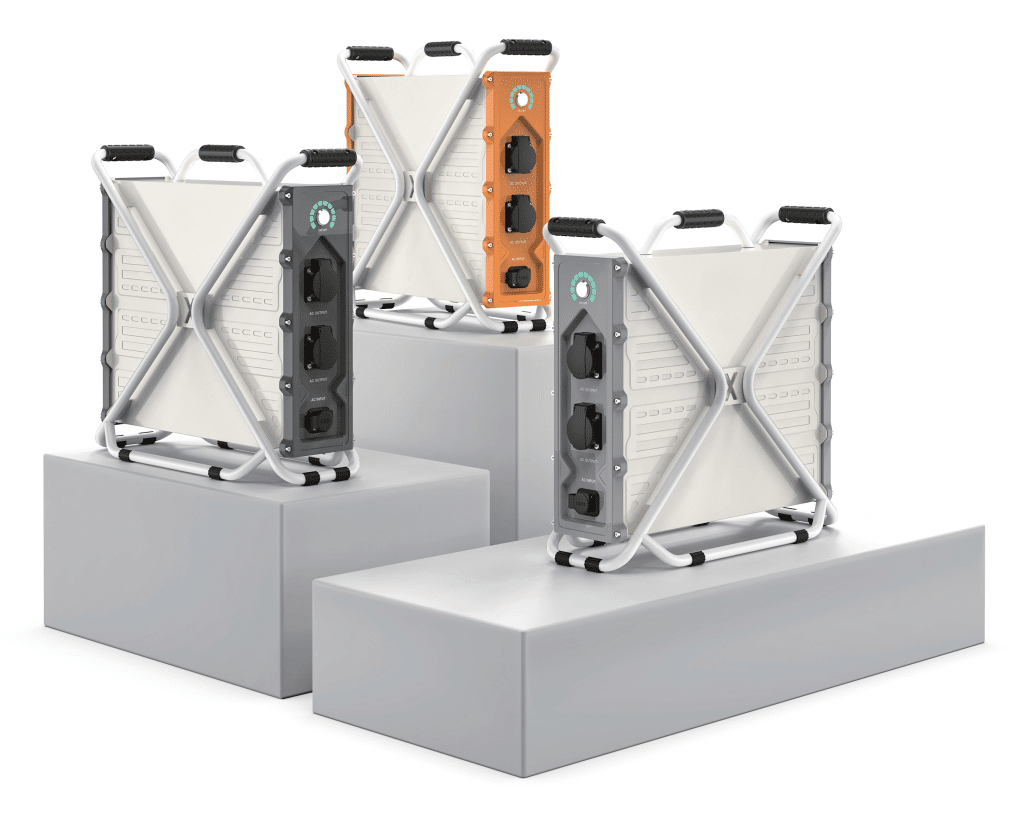
6) FULLAS (OEM/ODM industrial supplier)
Best fit for: Distributors and equipment brands that want OEM/ODM flexibility and an industrial positioning rather than a purely consumer lineup.
What to verify:
- product fit for your market and use cases (jobsite vs. backup vs. mobile energy)
- compliance pack requirements for your target region
- QC traceability and service commitments
A practical starting point is reviewing the product spec and positioning of the FPG3600 Taşınabilir Güç İstasyonu and aligning it to your channel requirements.
Watch-outs: As with any OEM program, insist on change control, stable BOM, and clear warranty + spare-parts terms.
7) Boltpower (OEM/ODM manufacturer)
Best fit for: Distributor private-label programs that want a manufacturer with published compliance signals.
What to verify:
- model-level certificate holder entity and exact SKU scope
- audit readiness and QC documentation maturity
Boltpower lists certification items such as UL 2743 and UN38.3. For distributors, that’s useful as an entry point—then you still validate the exact UL 2743 portable power pack scope and any UN 38.3 compliant power station documents for the SKU you plan to import.
Watch-outs: Certification lists can be broad; confirm the documents match the exact configuration.
8) Lipower (OEM/ODM manufacturer)
Best fit for: Private-label programs that prioritize a transparent qualification conversation.
What to verify:
- audit access and production transparency
- warranty and spare parts commitments
- model-level compliance documentation
Watch-outs: Use their red-flag guidance as a benchmark, then confirm with evidence during audit and sample testing.
9) Dakota Lithium (rugged, waterproof positioning)
Best fit for: Niche segments where ruggedization and environmental resistance matter more than price-per-Wh (e.g., marine, harsh field environments).
What to verify:
- IP rating evidence and what it actually covers (dust, immersion depth/time)
- warranty structure and exclusions
Watch-outs: Ensure duty-cycle fit for your customer’s load profile and confirm serviceability.
How to shortlist industrial power station suppliers for your region
Here’s a simple way to narrow down the list based on how distributors actually fail in the field:
- If you sell into the U.S. start from documentation discipline and model-level compliance. Use this internal guide on industrial power station certifications for the USA to align your RFQ pack.
- If you run OEM/private-label programs, prioritize auditability and manufacturing control. This overview of OEM power equipment manufacturers is a useful checklist.
- If your customers are jobsite-heavy, map requirements to deployments: output profile, portability, and serviceability. The use-case framing in industrial power station for professional worksites can help.
Pro Tip: For any industrial portable power station you add to your line card, write the acceptance test önce you place the PO (load profile, charge time, thermal behavior, and documentation match). It forces spec clarity and prevents disputes later.
Next steps
If you want, share your target market (EU / U.S. / MENA / LATAM) and your typical annual volume. I can turn the framework above into a one-page supplier scorecard.
If you’re evaluating OEM/ODM options now, start with FULLAS’ power station solutions page and request a spec pack + compliance dossier for your target region.