









مولد كهربائي يعمل بالبطارية للمشتريات الصناعية بين الشركات (B2B)
A مولد يعمل بالبطارية أصبحت خيارًا عمليًّا لتوفير الطاقة للمقاولين وشركات التأجير والموزعين وتجار المعدات وفرق المرافق العامة ومشتري منتجات OEM/ODM الذين يحتاجون إلى طاقة محمولة في مواقع العمل دون الحاجة إلى التعامل مع الوقود أو صيانة المحرك. بالنسبة للمشترين الصناعيين، فإن السؤال الأساسي لا يتعلق بما إذا كان المنتج مريحًا في الاستخدام، بل بما إذا كان قادرًا على دعم الأدوات الفعلية، وتلبية متطلبات التوثيق، وتقليل أعباء التشغيل، وتلبية احتياجات الشراء المتكررة.
يشرح هذا الدليل كيف يمكن للمشترين في قطاع الأعمال (B2B) تقييم منتجات المولدات التي تعمل بالبطاريات المخصصة لمواقع البناء، وعمليات الصيانة، وأعمال الاتصالات، وإصلاح شبكات المرافق العامة، وأساطيل التأجير، والتوزيع التجاري، ومشاريع تصنيع المعدات الأصلية (OEM) وتصنيع التصميم الأصلي (ODM).
ما هو المولد الكهربائي الذي يعمل بالبطارية؟
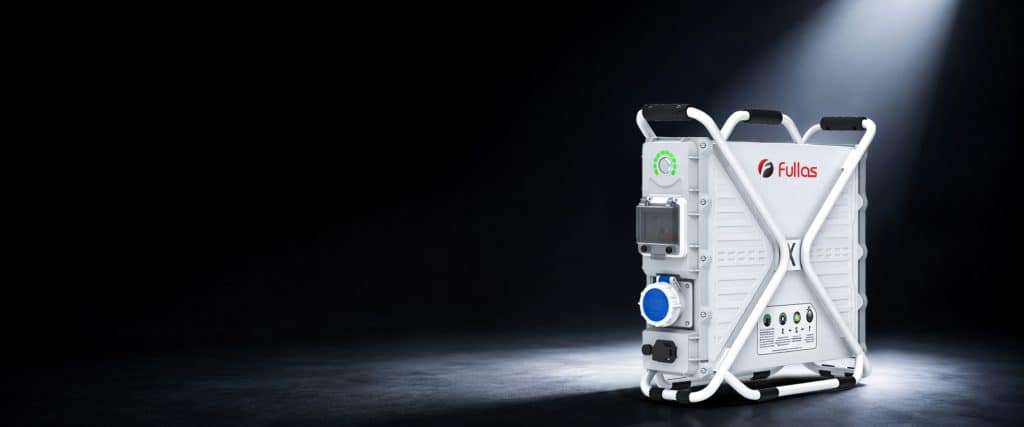
المولد الذي يعمل بالبطارية هو نظام طاقة محمول يخزن الطاقة في حزمة بطاريات ويحولها إلى طاقة تيار متردد قابلة للاستخدام من خلال محول. وفي الأسواق الصناعية، يمكن وصفه أيضًا بأنه مولد يعمل بالبطاريات الصناعية, ، أو مولد كهربائي يعمل بالبطارية، أو محطة طاقة صناعية محمولة.
تشمل المكونات الأساسية عادةً خلايا بطاريات الليثيوم، ونظام إدارة البطارية، والمحول، ونظام الشحن، ومنافذ خرج التيار المتردد، والغلاف الواقي، وأزرار التحكم في الشاشة، ودوائر الأمان. وبالنسبة لفرق المشتريات، فإن هذه الأجزاء تكتسي أهمية كبيرة لأنها تؤثر بشكل مباشر على توافق الأحمال، ومدة التشغيل، والمتانة، والسلامة، والمخاطر المتعلقة بخدمات ما بعد البيع.
على عكس منتجات الطاقة الاستهلاكية الصغيرة، يجب تقييم المولدات الصناعية التي تعمل بالبطاريات وفقًا لمتطلبات موقع العمل. وينبغي على المشترين التحقق مما إذا كانت الوحدة قادرة على تشغيل آلات الحفر، وأدوات القطع، ومضخات المياه، والمكانس الكهربائية الصناعية، ومعدات الصيانة، وغيرها من الأحمال المهنية.

لماذا يستخدم المشترون الصناعيون المولدات التي تعمل بالبطاريات؟
يختار المشترون في القطاع الصناعي المولدات التي تعمل بالبطاريات عندما يحتاجون إلى طاقة مؤقتة أنظف وأكثر هدوءًا وأسهل في الإدارة. وبالمقارنة مع المولدات التي تعمل بالديزل، لا تنتج وحدات البطاريات أي انبعاثات مباشرة أثناء التشغيل، وتتميز بمستوى ضوضاء أقل، ولا تتطلب تخزين الوقود في الموقع.
وهذا مفيد في مواقع العمل الحضرية، وأعمال التجديد المجاورة للأماكن المغلقة، وصيانة شبكات الاتصالات، وخدمات المرافق، والإصلاحات الطارئة، وعمليات أساطيل المركبات المستأجرة. كما يمكن أن تقلل الطاقة التي توفرها البطاريات من مهام الصيانة اليومية مثل فحص مستويات الوقود، وتغيير الزيت، وصيانة المحرك، وإدارة نظام العادم.
| العامل | مولد كهربائي يعمل بالبطارية | مولد ديزل |
|---|---|---|
| الضوضاء | ضوضاء تشغيل منخفضة | ارتفاع مستوى ضجيج المحرك |
| الانبعاثات | انعدام الانبعاثات المباشرة | انبعاثات عوادم الوقود |
| الصيانة | تكلفة صيانة منخفضة | يلزم إجراء صيانة دورية للمحرك |
| أفضل حالة استخدام | أدوات البناء، وفرق الصيانة، وأساطيل المركبات المؤجرة | التشغيل لفترات طويلة تحت أحمال عالية |
لا تزال المولدات التي تعمل بالديزل مناسبة للتشغيل المستمر لفترات طويلة وللاحتياجات العالية جدًّا من الطاقة. أما المولدات التي تعمل بالبطاريات، فتكون هي الخيار الأمثل عندما يحتاج المشترون إلى مصدر طاقة محمول لا يتطلب صيانة كثيرة لأداء مهام محددة، أو للاستخدام في الأساطيل، أو في بيئات العمل التي يشكل فيها الضجيج أو مشاكل توزيع الوقود ضغوطًا من حيث التكلفة والامتثال للمعايير.
المواصفات الفنية التي ينبغي على المشترين في قطاع الأعمال (B2B) مقارنتها
ينبغي أن تبدأ المقارنة الفنية بالقدرة المقدرة، والقدرة القصوى، وسعة البطارية، والجهد الناتج، ومدة التشغيل، وعمر الدورة التشغيلية، ومستوى الحماية IP، وتصميم سلامة البطارية. تُظهر القدرة المقدرة الحمل المستمر الذي يمكن للوحدة تحمله. أما القدرة القصوى فهي مهمة للأدوات التي تتطلب تيارًا عاليًا عند بدء التشغيل، مثل المضخات، ومعدات اللحام، والمناشير، وآلات الحفر.
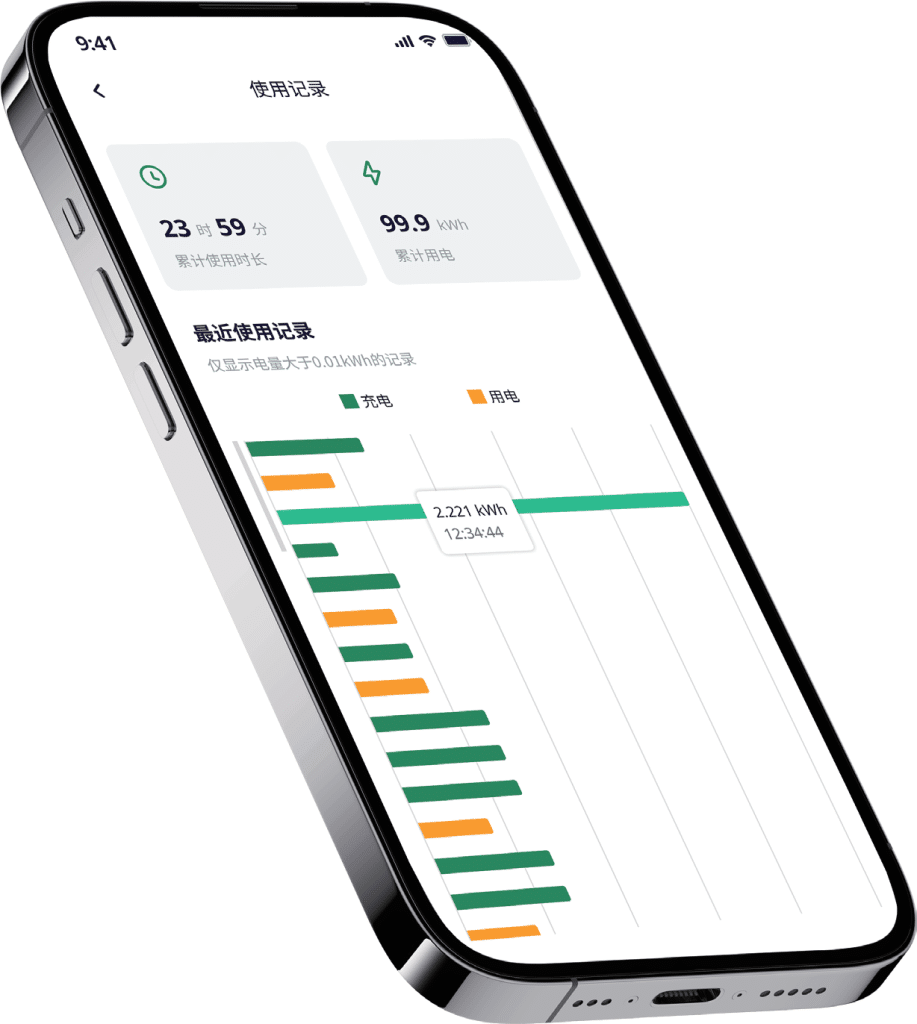
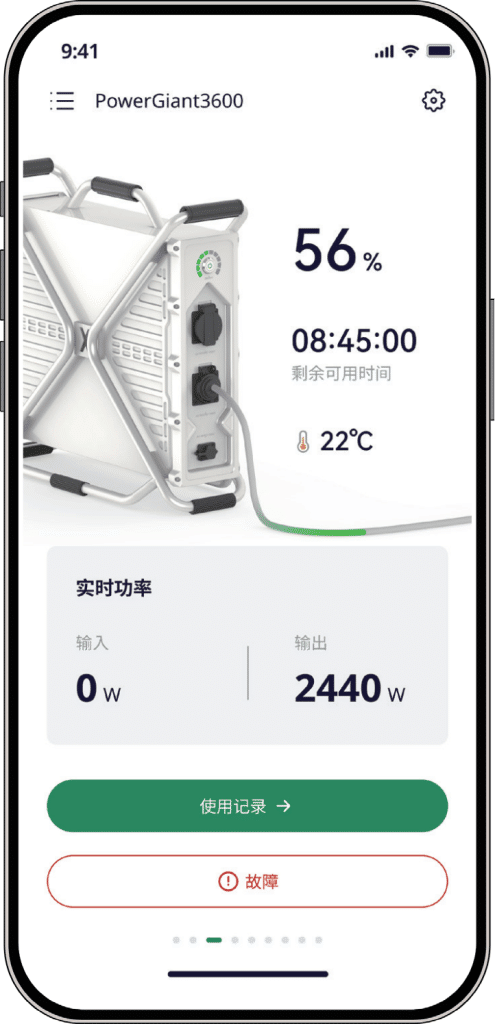
تؤثر سعة البطارية، المقاسة بوحدة واط/ساعة (Wh)، على مدة التشغيل الفعلية. ينبغي على المشترين أن يطلبوا من الموردين بيانات التطبيق التي تم اختبارها، بدلاً من الاعتماد فقط على مدة التشغيل النظرية. ولا تقتصر المقارنة المثلى على عدد ساعات تشغيل الوحدة فحسب، بل تشمل أيضًا حجم العمل الذي تنجزه في كل شحنة.
بالنسبة للمشترين في قطاع الأعمال (B2B) الذين يقارنون بين مولدات البطاريات الصناعية، يوفر جهاز FULLAS FPG3600 طاقة اسمية تبلغ 3600 واط، وطاقة قصوى تبلغ 20000 واط، وسعة تبلغ 2304 واط/ساعة، ومخرج تيار متردد بجهد 230 فولت، ومستوى حماية IP54، وشهادة CE، وشهادة UN38.3. وفيما يتعلق بمسائل الامتثال الخاصة بالمقاولين، يمكن للمشترين أيضًا الاطلاع على موارد FULLAS على محطة طاقة محمولة حاصلة على شهادة UN38.3.
- القدرة المقدرة: يؤكد استمرار تشغيل الأداة.
- القدرة القصوى: يدعم تشغيل المعدات التي تتطلب تيارًا عاليًا عند بدء التشغيل.
- سعة البطارية: يحدد حجم العمل العملي لكل شحنة.
- تصنيف IP: يساعد في تقييم مقاومة الغبار والماء.
- حماية نظام إدارة البطارية (BMS): يدعم الشحن والتفريغ بشكل أكثر أمانًا، بالإضافة إلى الحماية من الحمل الزائد.
- الشهادات: يدعم متطلبات الاستيراد والنقل والقنوات.
التطبيقات الصناعية لحلول المولدات التي تعمل بالبطاريات
يُعد المولد الذي يعمل بالبطارية خيارًا مناسبًا لسيناريوهات الطاقة الاحترافية التي تُعد فيها سهولة النقل، وانخفاض مستوى الضوضاء، وتقليل الحاجة إلى التعامل مع الوقود من العوامل المهمة. ويمكن لمقاولي البناء استخدامه في أعمال الحفر، والقطع، والضخ، ودعم أعمال الهدم، والإضاءة المؤقتة، وأعمال التجديد الداخلية. وللتخطيط بشكل أكثر تفصيلًا لمواقع العمل، يمكن للمشترين الرجوع إلى FULLAS دليل إمداد الطاقة في مواقع البناء.
يمكن لفرق الصيانة والخدمات العامة استخدام مولدات البطاريات في أعمال الإصلاح الميدانية، والخدمات المتنقلة، وصيانة المنشآت، والبنية التحتية للاتصالات، والعمل عن بُعد في الأماكن التي يصعب فيها توفير إمدادات الوقود. وينبغي على شركات التأجير وتجار المعدات تقييم متانة المولدات، ووضوح ملصقات التشغيل، والحماية من سوء الاستخدام، وإجراءات الضمان، وتوافر قطع الغيار قبل إضافة الوحدات إلى أساطيلها.
اختيار موردي خدمات التصنيع الأصلي (OEM) وتصميم التصنيع الأصلي (ODM)
لا يقتصر اختيار مورد للمولدات التي تعمل بالبطاريات على مجرد مقارنة سعر الوحدة. يجب على المستوردين وتجار الجملة والموزعين ومشتري العلامات التجارية الخاصة التحقق من كل من التصميم الهندسي للمنتج وقدرات المصنع. أما مشترو منتجات OEM/ODM فيجب عليهم الاستفسار عن العناصر التي يمكن تخصيصها، بما في ذلك الشعار واللون والتغليف ونوع القابس وتكوين الجهد الكهربائي وأدلة الاستخدام والملصقات والملحقات والوثائق.
ينبغي أن يشمل تقييم المورد جودة خلايا البطارية، وتصميم نظام إدارة البطارية (BMS)، واختبارات العاكس، واختبارات الشيخوخة، وسجلات الفحص النهائي، والقدرة الإنتاجية، والخبرة في مجال التصدير، ودعم شحن بطاريات الليثيوم. أما بالنسبة للتوزيع في الولايات المتحدة، فينبغي على المشترين أيضًا مراجعة متطلبات الاعتماد لمحطات الطاقة الصناعية.
| عامل التقييم | ما يجب التحقق منه | ما أهمية ذلك |
|---|---|---|
| قدرات التصنيع حسب الطلب (OEM/ODM) | الشعار، والتغليف، ونوع القابس، والتخصيص اليدوي | يدعم أسواق العلامات التجارية الخاصة وأسواق التوزيع |
| مراقبة الجودة | اختبار البطارية، اختبار التحميل، اختبار التقادم | يقلل من مخاطر الفشل في الطلبات بالجملة |
| الشهادات | CE، UN38.3، تقارير اختبارات السلامة | يضمن الحصول على الموافقة على الاستيراد والامتثال |
| دعم ما بعد البيع | سياسة الضمان، قطع الغيار، وقت الاستجابة | يؤثر على استقرار الموزعين وأساطيل المركبات المؤجرة |
للاطلاع على مرجع خارجي بشأن الامتثال، يمكن للمشترين مراجعة اختبار واعتماد وحدات الطاقة المحمولة من UL و دليل الأمم المتحدة للاختبارات والمعايير في سياق اختبار نقل بطاريات الليثيوم.
التكلفة والعائد على الاستثمار في مجال المشتريات الصناعية
ينبغي تقييم تكلفة المولد الذي يعمل بالبطارية من خلال التكلفة الإجمالية للملكية، وليس فقط من خلال سعر الشراء. وتشمل العوامل الرئيسية المؤثرة في التكلفة جودة خلايا البطارية، وسعة العاكس، وعمر دورة البطارية، ومستوى الحماية IP، ونطاق الشهادات، والتغليف، ودعم الضمان، وقطع الغيار، وموثوقية المورد.
قد يتحقق العائد على الاستثمار من خلال تقليل عمليات مناولة الوقود، وخفض تكاليف الصيانة الدورية، وتسهيل التخزين، وتقليل فترات التعطل، وتحسين معدل الاستخدام في قطاع التأجير، وزيادة ملاءمة المنتج للأعمال التي تتطلب بيئة خالية من الضوضاء. أما بالنسبة لأساطيل التأجير، فيعتمد العائد على معدل الاستخدام، وتواتر الصيانة، وتكلفة الإصلاح، وطلب العملاء. وبالنسبة للموزعين، يعتمد العائد على الاستثمار أيضًا على وضع المنتج في السوق، وجودة الوثائق، واستقرار التوريد المتكرر.
دليل اتخاذ القرار بشأن المشتريات: متى تختار البطارية أم الديزل
اختر مولدًا يعمل بالبطارية عندما يتطلب الاستخدام مستوى ضوضاء منخفضًا، أو عدم الحاجة إلى التعامل مع الوقود، أو سهولة التشغيل داخل الأماكن المغلقة أو بجوارها، أو توفير طاقة متنقلة، أو راحة أسطول التأجير، أو طاقة مؤقتة أنظف لأداء مهام عمل محددة. اختر مولدًا يعمل بالديزل عندما يتطلب المشروع تشغيلًا مستمرًا تحت أحمال عالية لعدة ساعات، وتكون لوجستيات التزود بالوقود متوفرة بالفعل.
قبل تقديم أي طلب شراء بالجملة، ينبغي على فرق المشتريات اختبار العينات باستخدام الأدوات المستهدفة، والتحقق من وقت الشحن، والتأكد من سلوك الجهاز عند الحمل الأقصى، وفحص متانة العبوة، ومراجعة وثائق الاعتماد، والتأكد من إجراءات الضمان. ويؤدي ذلك إلى تقليل المخاطر قبل التوزيع أو النشر في إطار خدمات التأجير أو التخصيص وفقًا لمعايير OEM/ODM.
الأسئلة الشائعة
ما هي استخدامات المولدات التي تعمل بالبطاريات في الأعمال الصناعية؟
يُستخدم لتزويد الطاقة للأدوات المهنية، ومعدات الصيانة، والمضخات، والإضاءة، وأجهزة خدمات الاتصالات، والأحمال المؤقتة في مواقع العمل التي تتطلب طاقة تيار متردد محمولة تعمل بالبطاريات.
هل يمكن لمولد يعمل بالبطارية أن يحل محل مولد الديزل؟
ويمكن أن يحل محل الطاقة التي تعمل بالديزل أو يُكملها في حالات العمل التي تتسم بانخفاض مستوى الضوضاء، وغياب الانبعاثات المباشرة، والخدمات المتنقلة، والمناطق المجاورة للأماكن المغلقة، وعمليات العمل قصيرة المدة. وقد يظل الديزل خيارًا أفضل في حالات التشغيل المستمر لفترات طويلة تحت أحمال عالية.
ما هي المواصفات التي ينبغي على المشترين في قطاع الأعمال بين الشركات (B2B) مقارنتها؟
ينبغي على المشترين مقارنة القوة المقدرة، والقوة القصوى، وسعة البطارية، ومدة التشغيل، والجهد الناتج، وتصنيف IP، ووسائل الحماية التي يوفرها نظام إدارة البطارية (BMS)، وعمر الدورة، وخيارات الشحن، والشهادات، وبيانات الاختبارات الفعلية للأداة.
هل يمكن لمشتري المعدات الأصلية تخصيص مولد كهربائي يعمل بالبطارية؟
نعم. وبناءً على قدرات المورد، يمكن للمشترين تخصيص الشعار واللون والتغليف ونوع القابس وإعدادات الجهد الكهربائي والملصقات والملحقات وأدلة الاستخدام ووثائق التسويق.
ما هي الشهادات المهمة؟
قد تشمل الوثائق المهمة شهادات المطابقة (CE)، ومعيار UN38.3، وتقارير الامتثال للسوق ذات الصلة، ووثائق نقل بطاريات الليثيوم، وملصقات المنتجات، وأدلة المستخدم، ووثائق اختبارات السلامة.
الخلاصة + دعوة لاتخاذ إجراء
يمكن أن يُعد المولد الذي يعمل بالبطارية حلاً قويًّا لتوفير الطاقة الصناعية عندما يقوم المشترون بتقييمه وفقًا لمعايير شراء حقيقية، وهي: الطاقة الناتجة، والقدرة على تحمل الحمل الأقصى، وسعة البطارية، وإجراءات السلامة، ودعم الشهادات، ومدى ملاءمة الاستخدام، ومراقبة جودة المورد، والعائد على الاستثمار على المدى الطويل.
إذا كنت تقيّم مولدات البطاريات الصناعية لاستخدامها في شبكات التوزيع، أو أساطيل التأجير، أو مواقع البناء، أو فرق الصيانة، أو مشاريع OEM/ODM، فإن شركة FULLAS يمكنها تقديم الدعم فيما يتعلق بمواصفات المنتجات، ومناقشة اختبار العينات، وخيارات التخصيص، وحلول التوريد بين الشركات (B2B) مثل طراز FPG3600.